
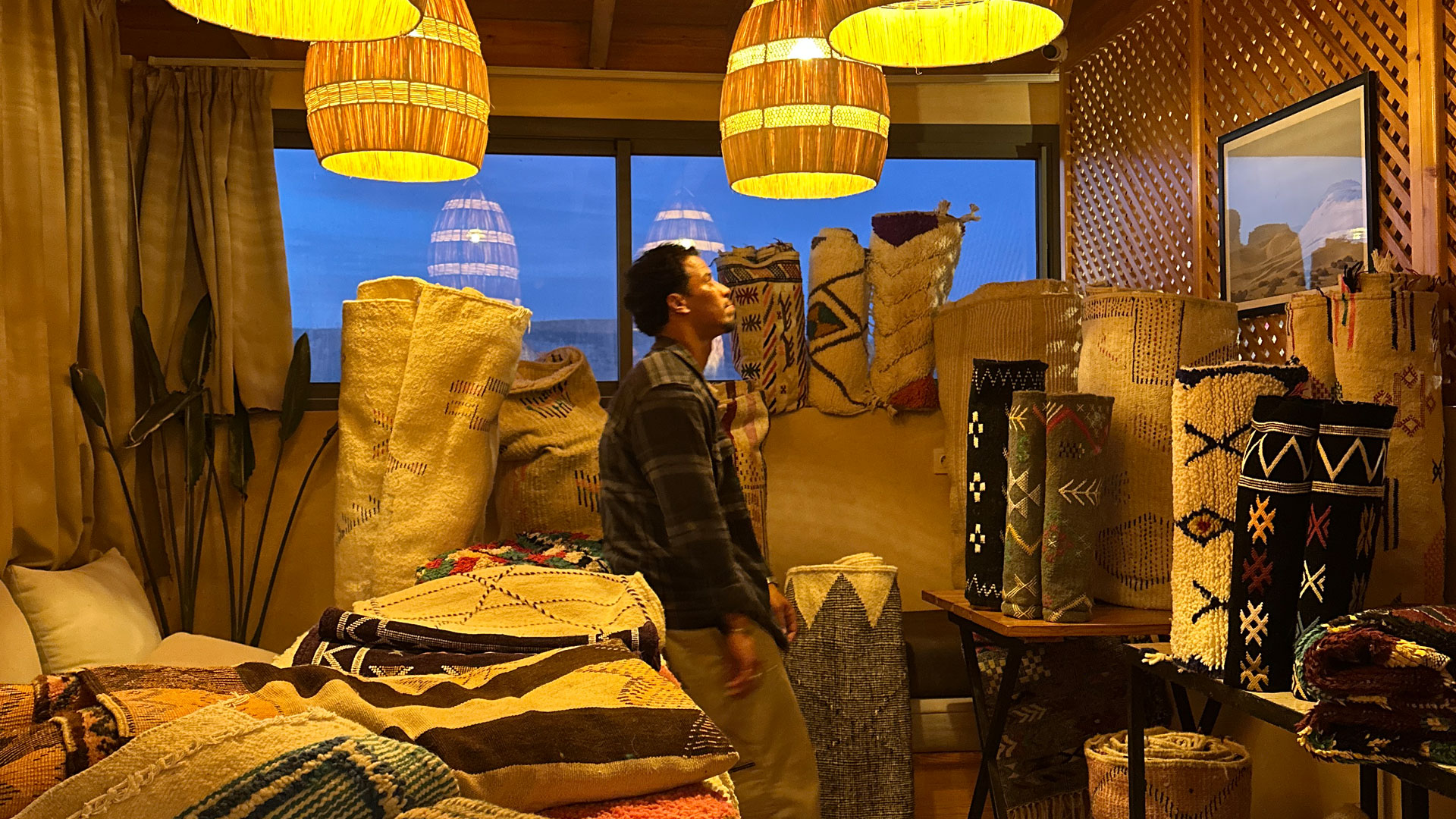
In the labyrinthine heart of Morocco, where the scent of cedarwood drifts through ancient medinas and the call to prayer echoes across terracotta rooftops, craftsmanship is not merely a trade; it is a language of memory. Every thread, every knot and every geometric symbol woven into a rug carries whispers of ancestry, ritual and identity.
For centuries, Moroccan artisans have transformed wool into storytelling canvases.
Yet in a world increasingly consumed by automation and fleeting trends, preserving such heritage requires more than nostalgia.
It demands vision. It demands reinvention.
This is precisely where Jamal, the 26-year-old co-founder of Carpet Brothers, enters the story.

Young, intellectually curious and refreshingly forward-thinking, Jamal is not the stereotypical artisan one might expect. With a Bachelor’s degree in Life and Earth Sciences and a background in mechanical engineering, he moves seamlessly between the worlds of science, design and traditional craftsmanship. His approach is analytical yet deeply emotional; a rare balance that has enabled him to breathe contemporary life into one of Morocco’s oldest artistic traditions.
At the centre of his mission is Carpet Brothers, a cooperative redefining what handmade Moroccan rugs can represent in the modern world.
However, this story begins long before international shipping, custom commissions or global clientele.
It begins with family.
Jamal grew up surrounded by craftsmanship. His grandparents were involved in producing traditional Moroccan djellabas crafted from handwoven wool, garments steeped in cultural significance and meticulous artisanal techniques. Watching this process unfold from an early age left a lasting impression on him. The rhythm of weaving, the patience required, the tactile beauty of natural wool and the pride embedded within handmade work became part of his personal foundation.
While many young entrepreneurs race towards technology and fast-moving industries, Jamal looked backwards in order to move forwards.
Rather than abandoning his roots, he chose to modernise them.
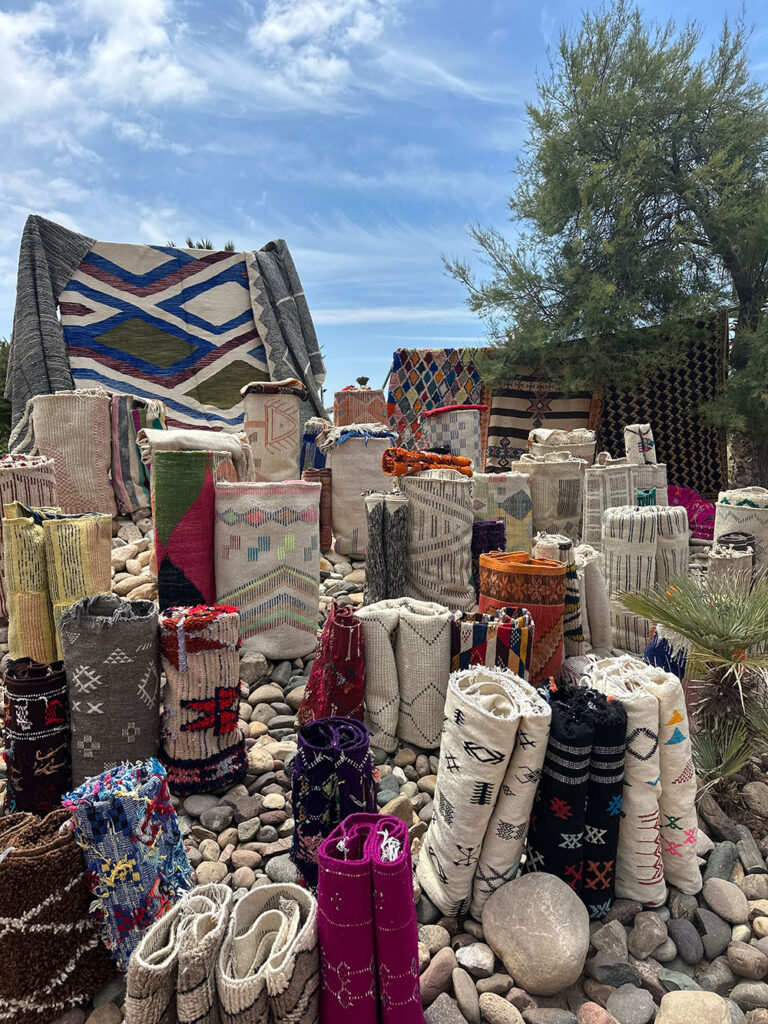
Today, Carpet Brothers stands as a remarkable example of how heritage can evolve without losing its soul. What began as a passion project rooted in family tradition has transformed into a thriving cooperative that now supports more than 30 highly skilled women artisans across Morocco.
These women are not simply employees; they are custodians of generations-old techniques. Their hands preserve motifs and weaving practices passed down through mothers, grandmothers and entire communities. Through Carpet Brothers, their artistry is not only protected but elevated onto a global stage.
What makes the company particularly fascinating is its refusal to become trapped within the romanticism of “traditional craft” alone. Jamal understands something many heritage brands fail to grasp: authenticity survives through adaptation.
The rugs created by Carpet Brothers honour Morocco’s rich textile history whilst embracing a contemporary aesthetic that resonates with modern interiors across London, New York, Dubai and beyond. Ancient Berber symbolism sits comfortably alongside minimalist palettes and bespoke modern compositions. Tradition is not frozen in time here; it is alive, evolving and travelling.
There is also something profoundly human about the company’s philosophy. In an era dominated by mass production and disposable consumer culture, Carpet Brothers slows everything down.
Each rug requires patience, precision and emotional investment.
No two pieces are entirely identical.
Imperfections become signatures rather than flaws.
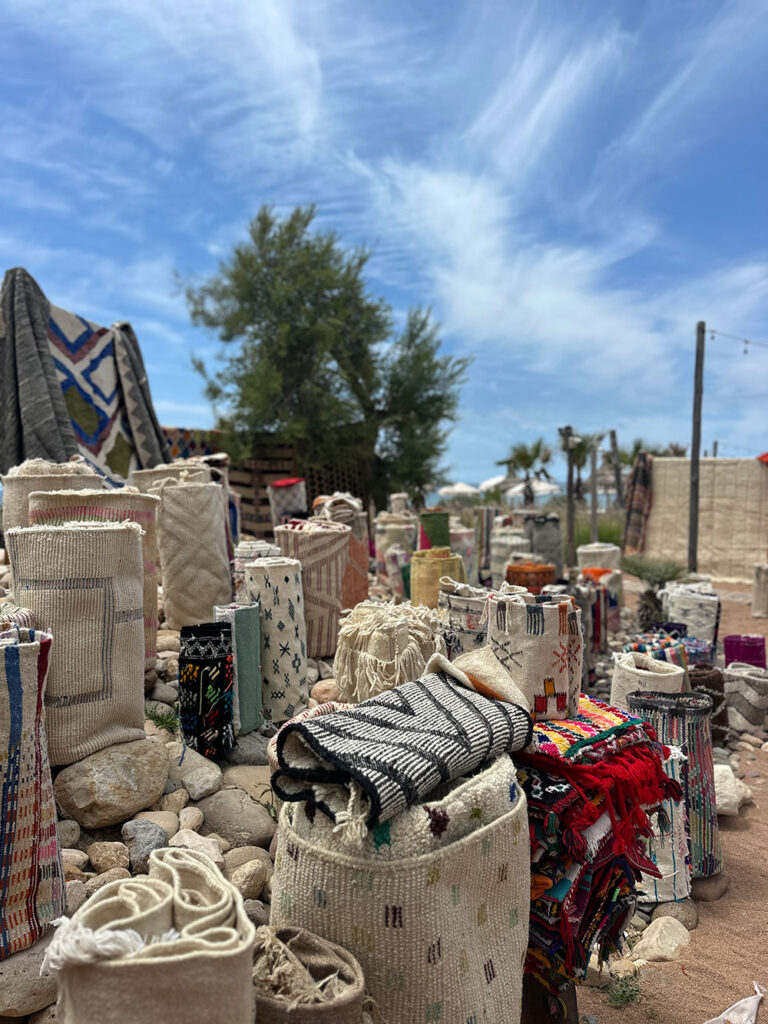
Clients are invited into the creative process itself through custom-made commissions, allowing rugs to become deeply personal works of functional art. Colours, textures, dimensions and symbolic details are carefully tailored, creating pieces that feel intimate rather than industrial.
Yet beneath the beauty of the final products lies an even more meaningful impact.
Carpet Brothers is helping create sustainable economic opportunities for women artisans in Morocco, many of whom rely on traditional craftsmanship as both a source of income and cultural identity. By structuring the project as a cooperative, Jamal and his team have built a model centred around dignity, empowerment and long-term sustainability rather than exploitation.
This balance between social responsibility and aesthetic excellence is perhaps what makes the project so compelling. Carpet Brothers is not attempting to commercialise culture in a superficial way. Instead, it offers a respectful bridge between local heritage and international appreciation.
There is a quiet sophistication to Jamal’s leadership style too. He speaks about craftsmanship not with arrogance, but with responsibility. His scientific background has clearly shaped the way he approaches systems, quality and innovation, whilst his emotional connection to Moroccan heritage keeps the company grounded in authenticity.
The result is a business that feels surprisingly modern without sacrificing its cultural heartbeat.

In many ways, Carpet Brothers represents a broader shift happening across Morocco itself; a new generation reclaiming tradition not as something outdated, but as something globally relevant, sustainable and profoundly luxurious in the truest sense of the word.
Because true luxury today is no longer about excess. It is about meaning, storytelling, human connection and provenance.
A handmade Moroccan rug carries all of these qualities effortlessly.
To walk across one of Carpet Brothers’ creations is to step onto history woven into the present moment. It is to feel the texture of the Atlas Mountains, the warmth of ancestral knowledge and the ambition of a younger generation determined to preserve culture through innovation rather than nostalgia.
Jamal may be only 26 years old, but his vision stretches far beyond his years. Through Carpet Brothers, he is proving that heritage does not belong in museums alone. It belongs in contemporary homes, modern conversations and the evolving global design landscape.
Most importantly, he reminds us that craftsmanship still matters; perhaps now more than ever.
In a world obsessed with speed, Carpet Brothers invites us to appreciate slowness again.
To value the human hand.
To honour the stories hidden inside objects.
And to remember that some of the world’s greatest innovations begin not with abandoning tradition, but with listening carefully to it.