
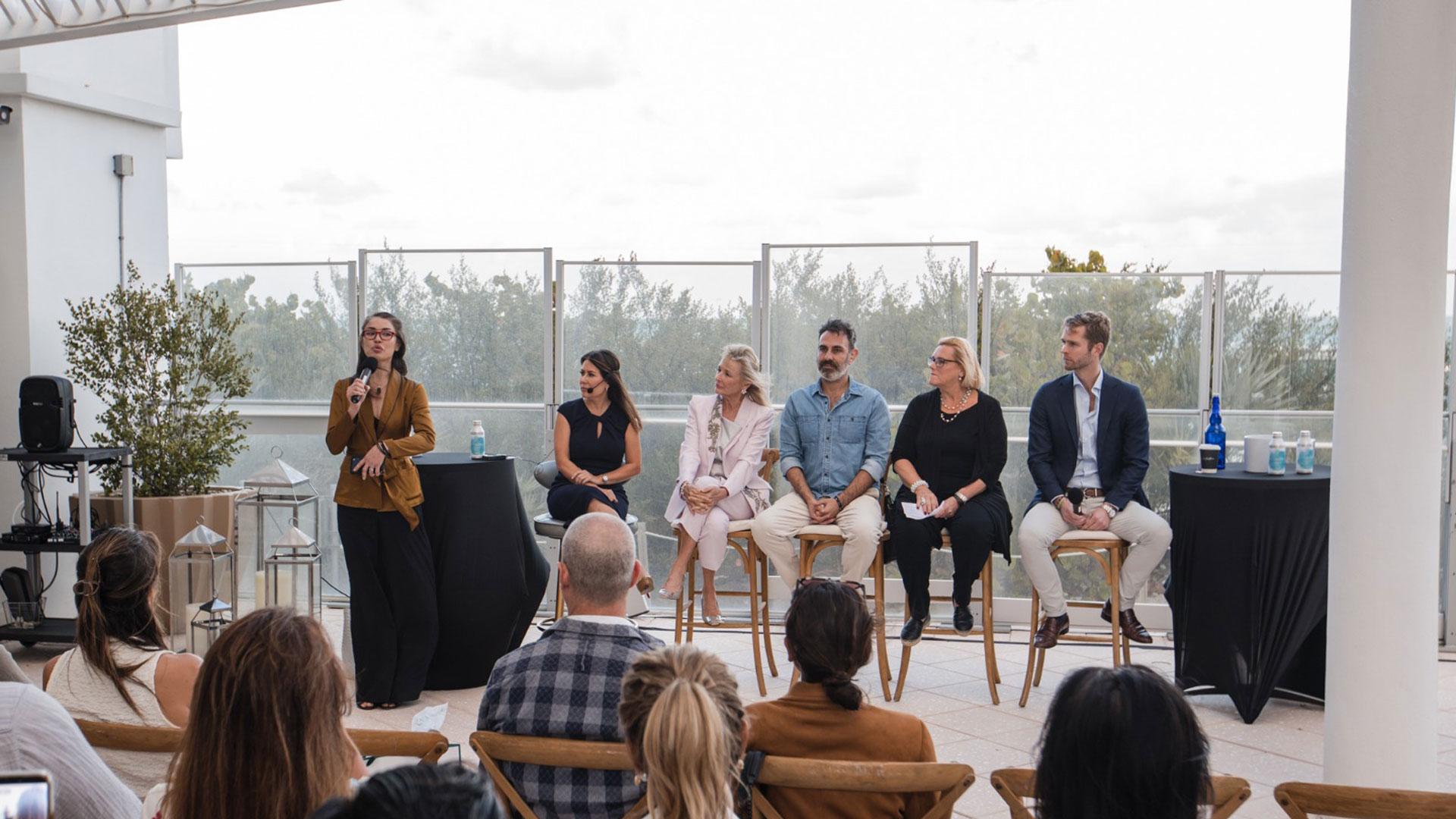
There are moments when an industry stops orbiting the idea of change and begins to organize around it. This past April, the city of Miami—a place that has spent decades perfecting the “moment”—witnessed a fundamental shift. While the world long looked to this neon-lit coast for the cultural currency of Art Basel, a new kind of gathering has established Miami as the epicenter of a different movement.
Wellist Week arrived not as another conference, but as the “Art Basel of Wellness.” It was a high-stakes convergence where the business of human flourishing finally found its global stage, moving out of the massage room and into the boardroom.
The Citywide Moment: Scaling the Movement
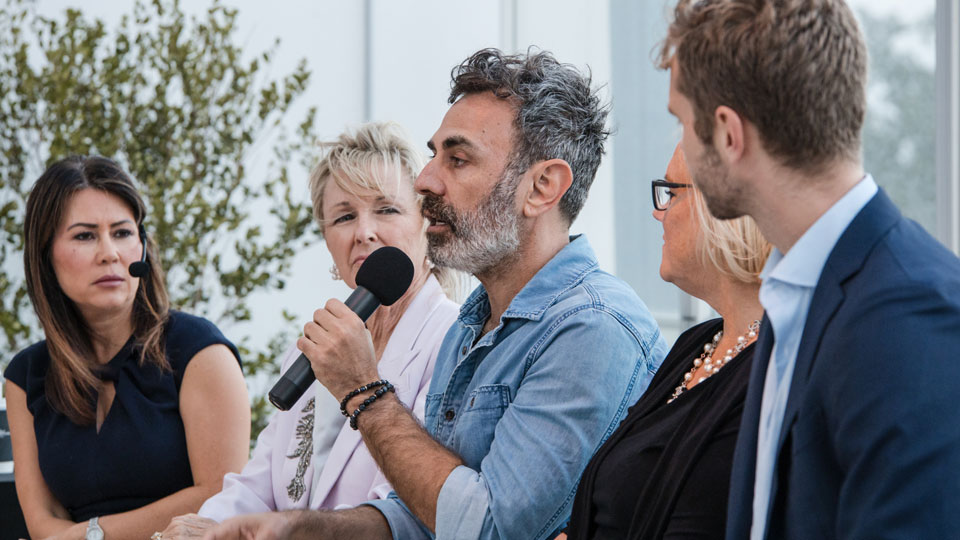
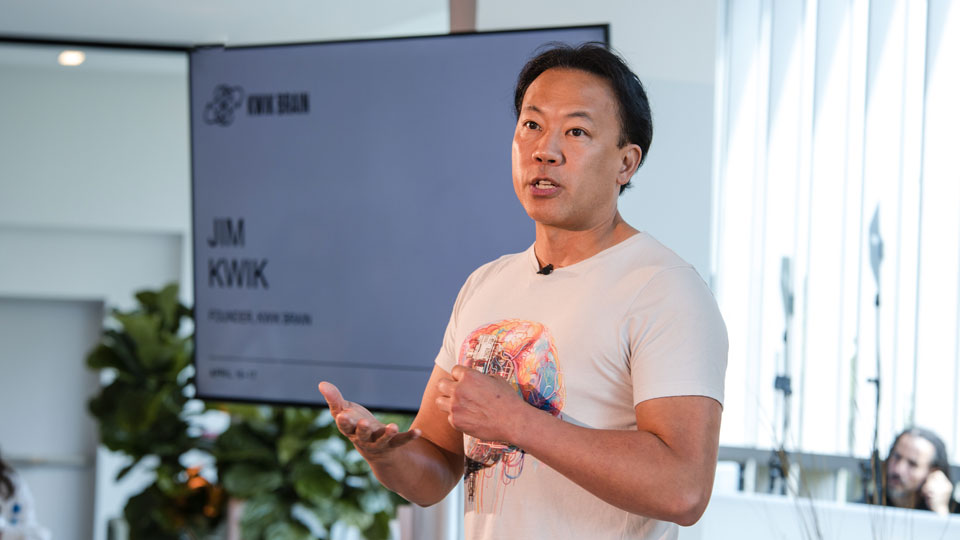
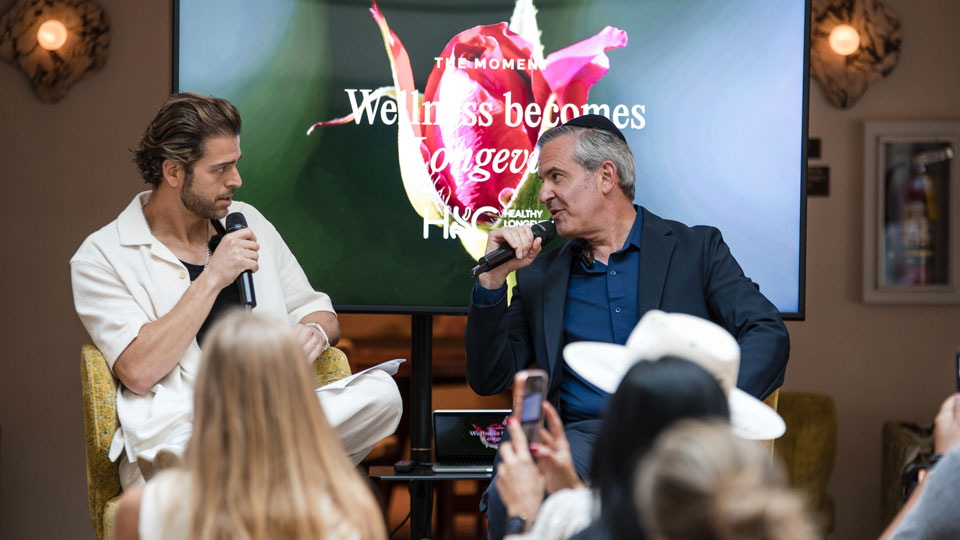
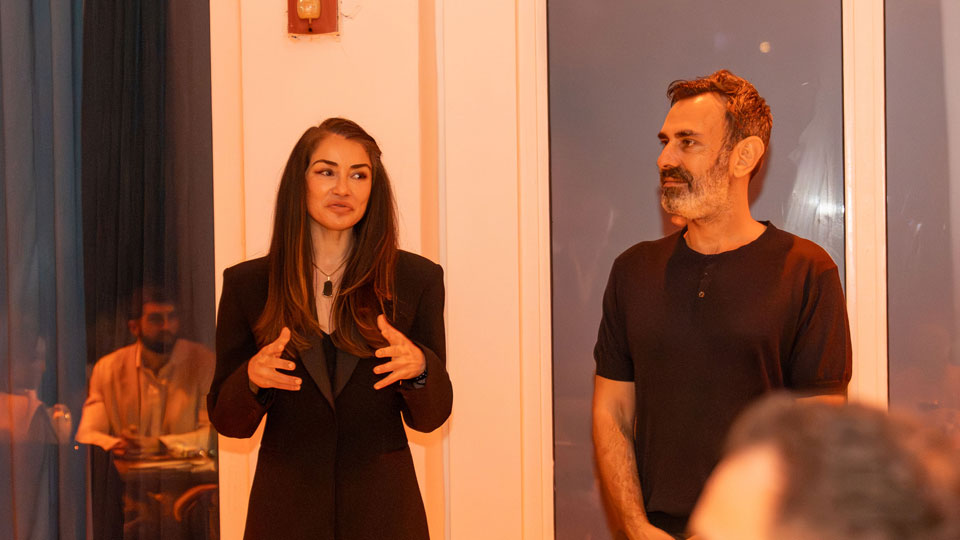
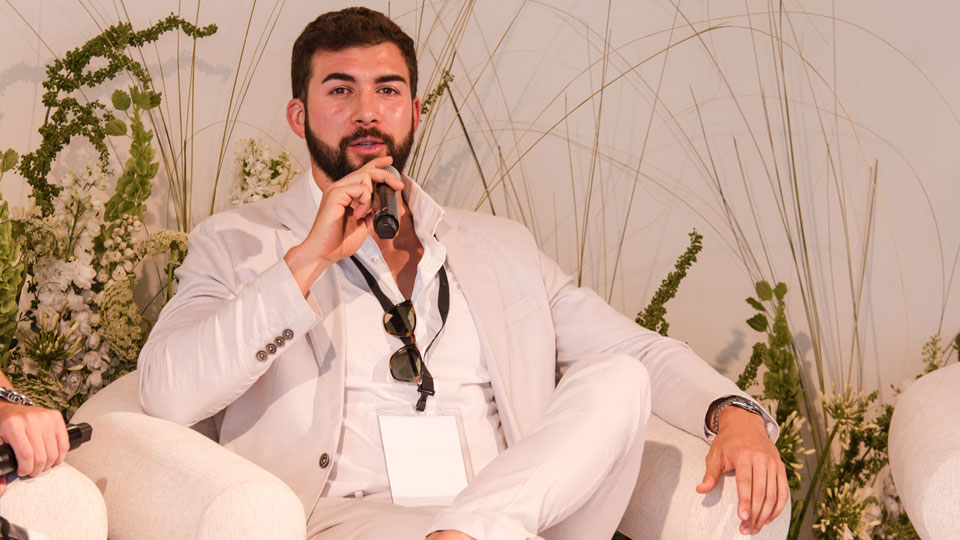
What sets Wellist Week apart from the transient retreats of the past is its scale as a citywide platform. From its inception, the week was designed to be a catalyst for institutional change, convening 680 registrants, 70 global curators, and 92 speakers across six critical industry verticals. With 53 satellite events and 64 partners activating across the Miami landscape, the week was not a singular event but a fully realized takeover, culminating in a two-day high-stakes Forum.
The momentum began at the Carillon Miami Wellness Resort, where the dialogue was set by a candid panel on the state of Miami’s wellness ecosystem. The discussion featured industry titans Wellist Founder Myk Likhov, Tammy Pahel, Chad Olin, and Susie Ellis, who explored the friction and the future of our local health economy.
Perhaps most significant was the intersection of private innovation and public policy. Following opening remarks byWellist Co-Founder Alhia Chacoff-Berger, the evening concluded with reflections from Mayor Steven Meiner. Having the city’s highest leadership endorse this movement underscores a vital shift: wellness is no longer just a luxury lifestyle—it is a matter of civic priority and urban resilience.
“Wellist is where the global wellness economy found its home, uniting science and spirit, business and belonging, to keep leaders oriented toward wellbeing, not just profit.”
— Myk Likhov
The Architect of Regeneration
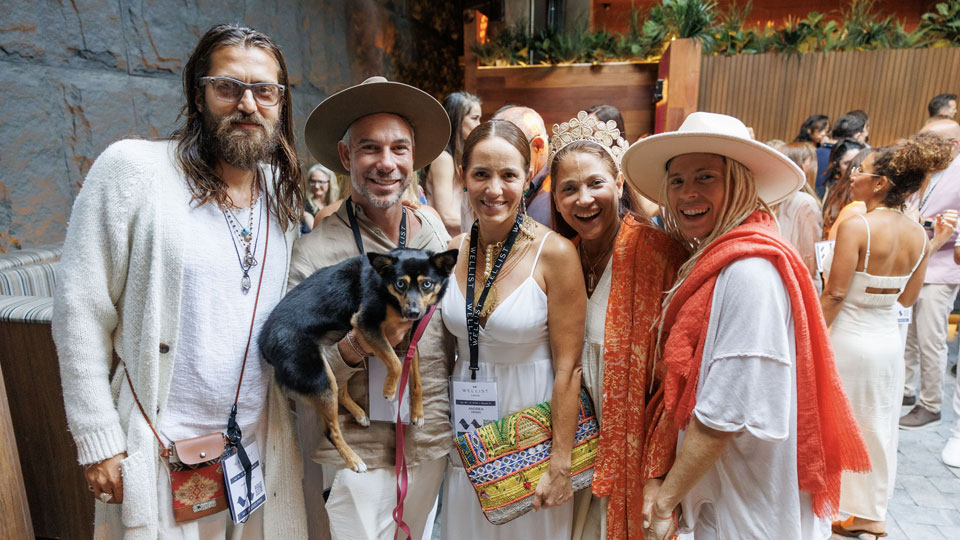
If this week had a spiritual and structural North Star, it was Tony Cho. As the founder of Future of Cities and a catalyst of Miami’s urban regenessance, Cho has long been the primary voice arguing that real estate must be a force for healing.
During his sessions, Cho didn’t just talk about buildings; he talked about “Generation Regeneration.” His personal story and upbringing provided a critical bridge between the high-tech longevity labs and the “ground-up” reality of urban development. By highlighting projects like the Climate & Innovation HUB in Little Haiti, Cho reminded the room that regenerative placemaking is about co-creation—aligning nature, culture, and capital to serve the collective nervous system of a neighborhood. For Cho, wellness isn’t an amenity you add to a zip code; it’s the foundation upon which the city of the future is built.
Beyond the Amenity: Wellness as Infrastructure
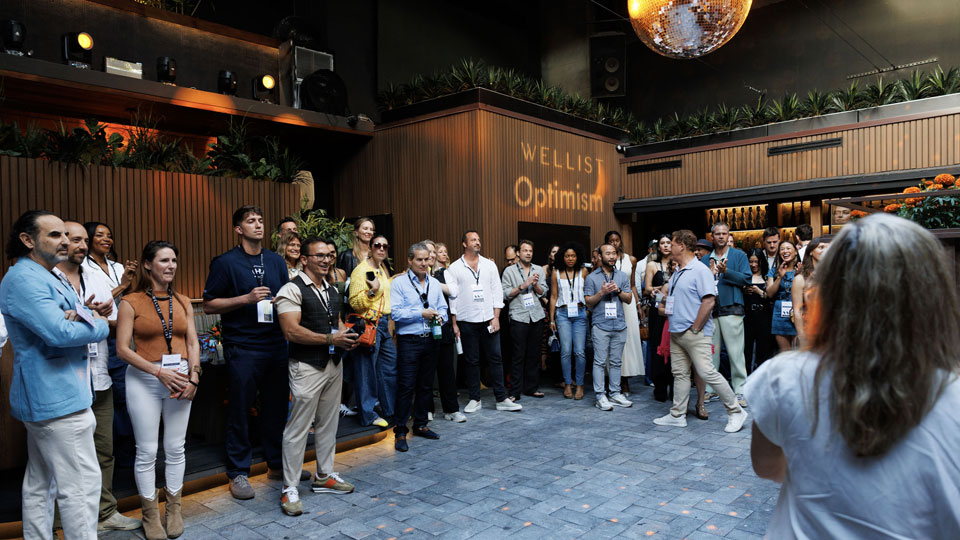
For the purpose-driven traveler, the fragmented model of hospitality wellness—the subterranean spa, the generic gym, the “healthy option” on the menu—is dead.
As I navigated the panels and private salons of Wellist Week, from the historic neoclassical halls of The Moore to the open-air activation stages of Palm Court, the conversation had clearly matured. We have moved from “amenities” to Regenerative Placemaking. This is the art of building environments—hotels, residences, and entire districts—that act as an integrated system for human optimization.
In this new paradigm, wellness is the “operating system” of the building. We are talking about Neuroarchitecture that lowers cortisol levels upon entry, circadian lighting that serves as biological infrastructure, and medical-grade air filtration that treats the atmosphere as a health intervention. This isn’t a “nice-to-have”; it is the new baseline of luxury.
The $6.8 Trillion Signal
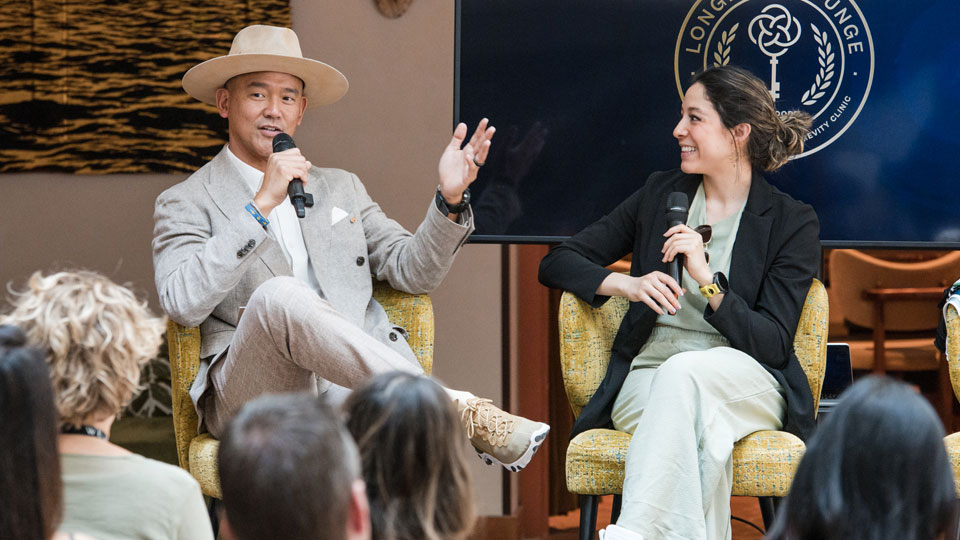
The gravity of this shift is backed by staggering data. The global wellness economy is now valued at approximately $6.8 trillion, with wellness real estate being the fastest-growing sector. What was once a collection of disparate trends has consolidated into a cohesive, investable ecosystem.
The density of capital in Miami was palpable. This wasn’t a retreat for the casual enthusiast; it was a war room for the world’s most influential stakeholders. I sat in sessions with Eric Falardeau of McKinsey & Company, whose latest reports indicate that “Source Control”—the ability to eliminate microplastics and toxins from the environment—is the next frontier of high-end hospitality. We heard from founders like Julia Klim (formerly of Equinox) and Christian Drapeau (STEMREGEN) about how biotechnology is merging with consumer lifestyle. The presence of major institutional investors and visionary developers, like those behind the Nora District in West Palm Beach, proves that wellness is the most valuable asset class of the 21st century.
The New Soft Power: Collaboration over Competition

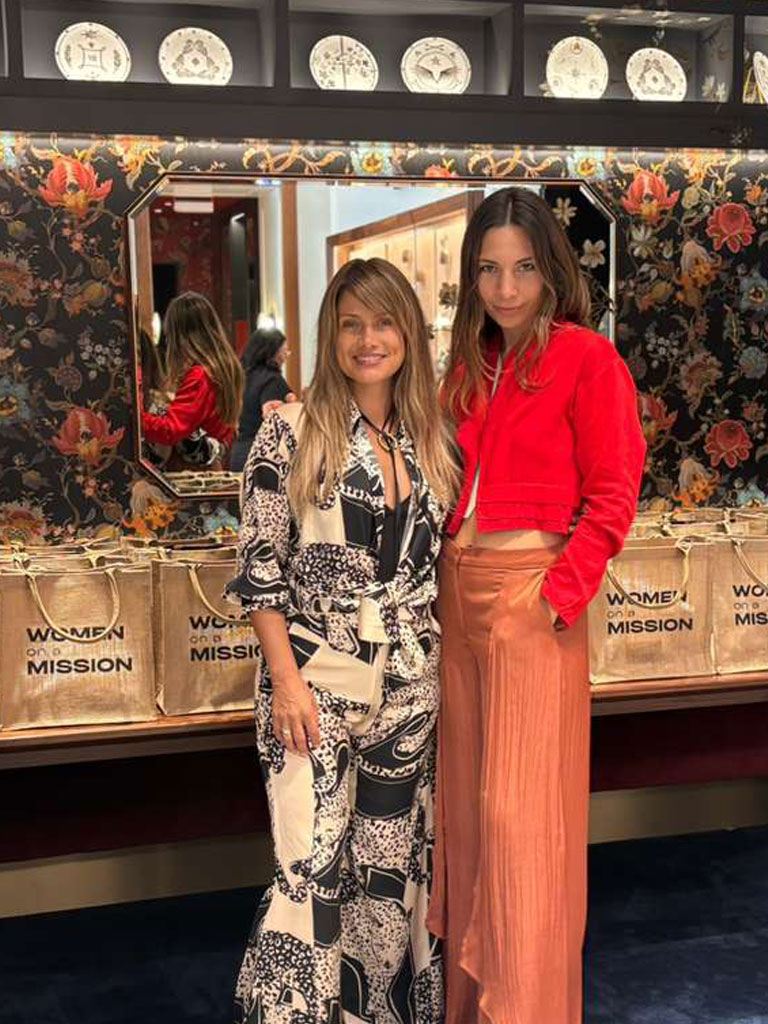
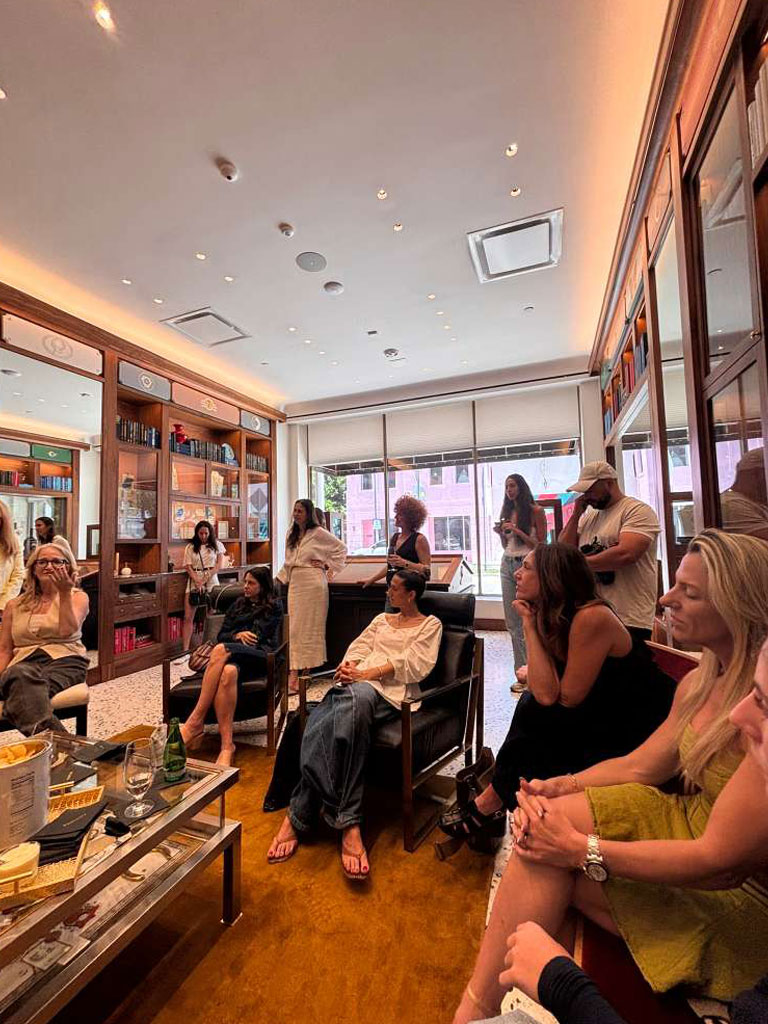
Perhaps the most significant “vibe shift” occurred away from the main stages, in the intimate spaces where the industry’s real power brokers gathered. One of the week’s most luminous moments was the luncheon for Women Leading the Future of Wellness, hosted by The Well Drop in collaboration with Yin Ventures.
This wasn’t just a networking event; it was a masterclass in the “New Soft Power.” Bringing together high-performing female founders, the gathering focused on the necessity of radical collaboration. In an industry often dominated by rigid metrics, this was a space for feminine connection and soft confidence. The dialogue centered on how these founders are building brands that prioritize empathy and nervous system regulation as much as they do ROI. It served as a reminder that the future of wellness is not just high-tech, but high-touch.
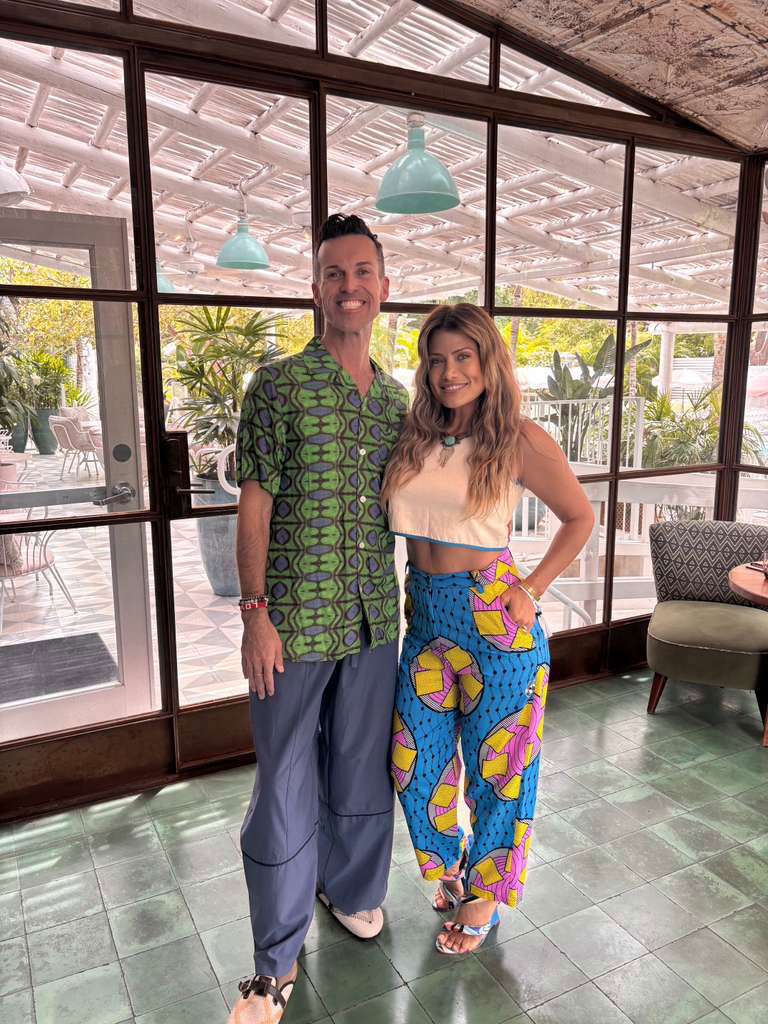
This theme of curated community continued at the Soho Pool House, where an exclusive luncheon was hosted by the incomparable Tai Beauchamp alongside Tino De Martino, Soho House’s Global Head of Wellness and Membership. As the discussion turned toward the “Membership of the Future”—how global brands like Soho House are integrating longevity and holistic health into the very fabric of their social DNA and inner standing how to connect on a “deeper level” . Under De Martino’s vision, wellness is becoming the primary thread that connects a global community of creators.
The Future of Hospitality: From Escapism to Evolution
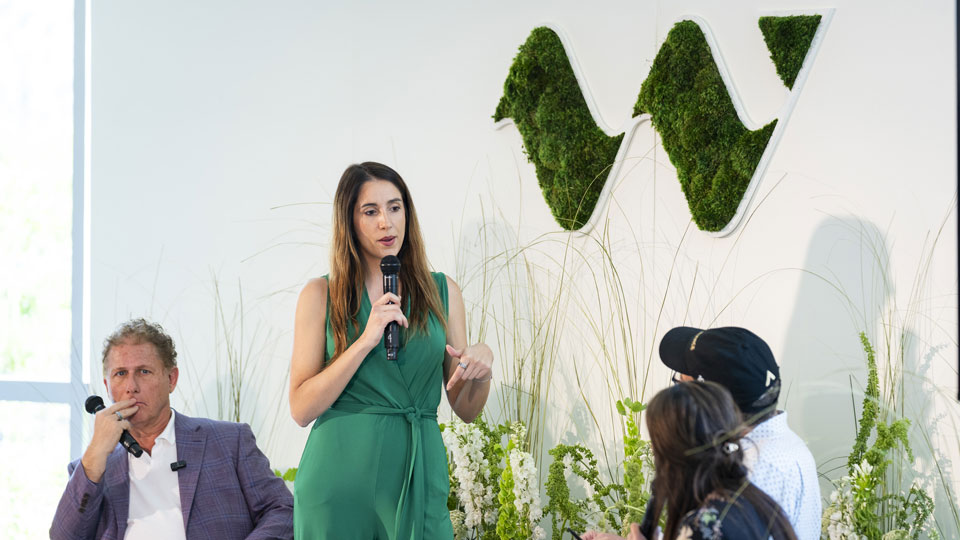

The most profound takeaway from Wellist Week is where hospitality is going. We are entering the era of Medicalized Hospitality.
Historically, we traveled to “get away.” We sought escapism. But the future traveler is seeking evolution. They aren’t looking to check out; they are looking to check in to a better version of themselves.
“We are no longer just designing spaces; we are designing the future of the human experience.”
Why does this matter? Because the luxury traveler of 2026 is hyper-informed. They are tracking their sleep with Oura rings, monitoring their glucose, and understanding their epigenetic age. When they choose a hotel, they are choosing a biological partner. If a hotel’s environment—its light, its sound, its air—is degrading their health, no amount of thread count will save the guest experience.
Key Shifts for 2026 and Beyond:
- The Room as a Longevity Lab: Future hotels will offer NAD+ infusions, hyperbaric oxygen therapy, and AI-driven sleep tuning as standard features.
- Social Sanctuaries vs. Isolation: Inspired by the “Social Wellness” track at Wellist, we are seeing the rise of Social Saunas and communal breathwork salons. The future of luxury is solving the loneliness epidemic through intentional, “healthy” socializing.
- Regenerative Impact: Following the lead of brands like Six Senses and 1 Hotels, hospitality must now give back. Regenerative placemaking means the property must leave the local ecosystem and community healthier than it found it.
The "Social Sanctuary" and the Miami Vibe
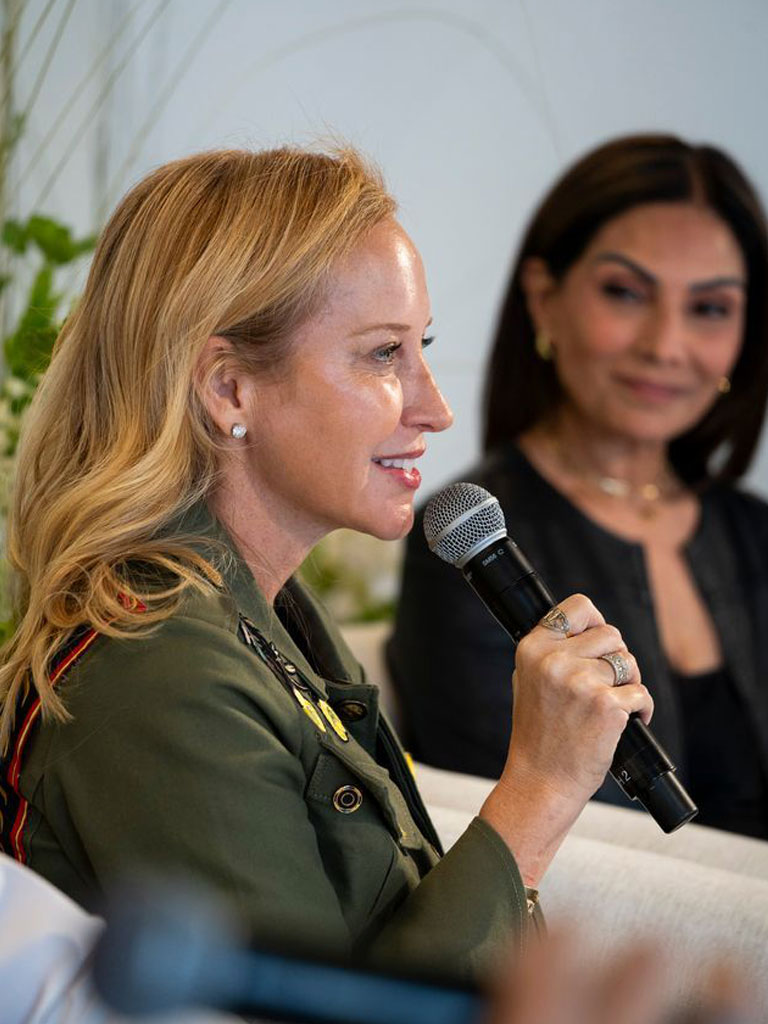
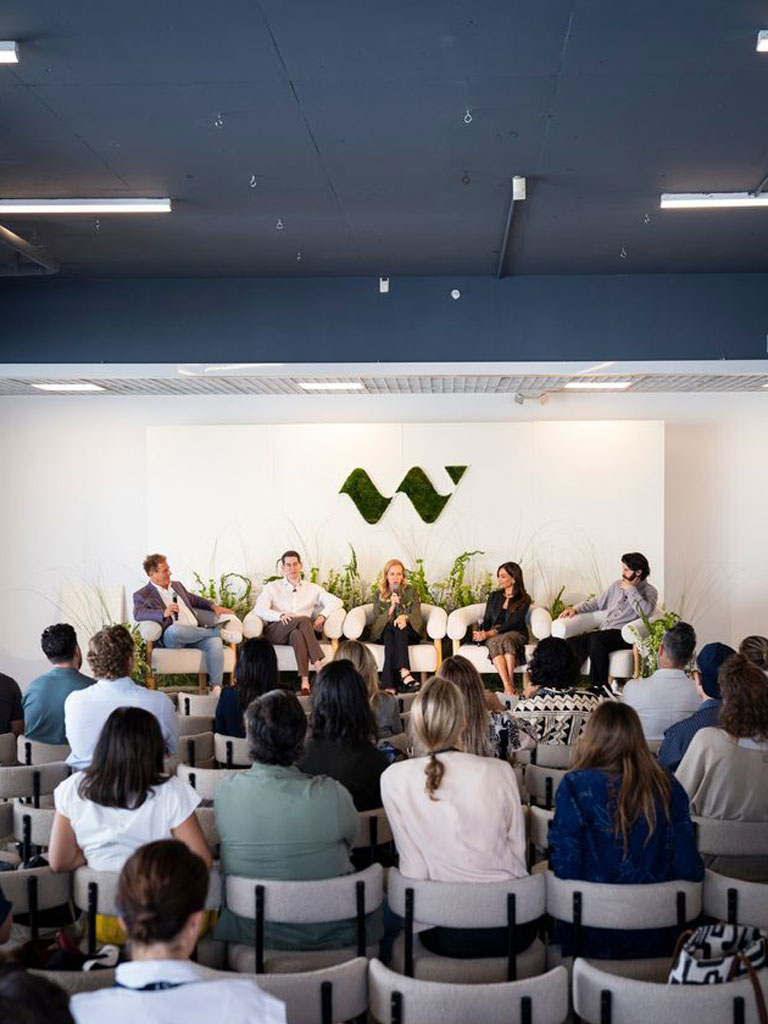
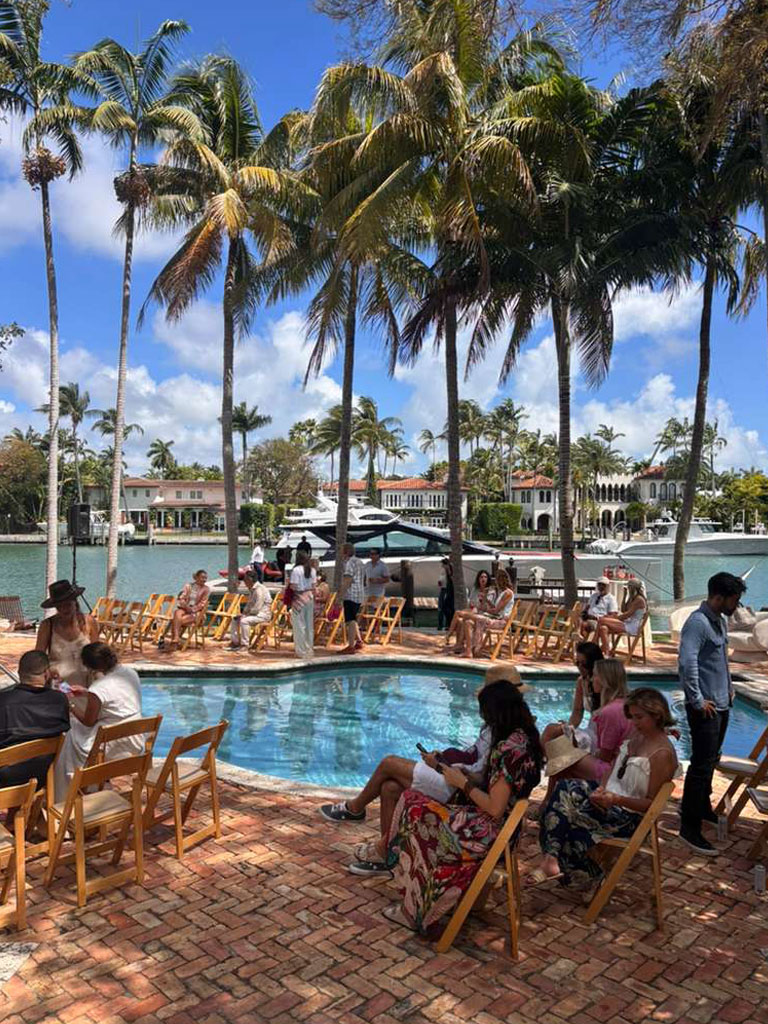
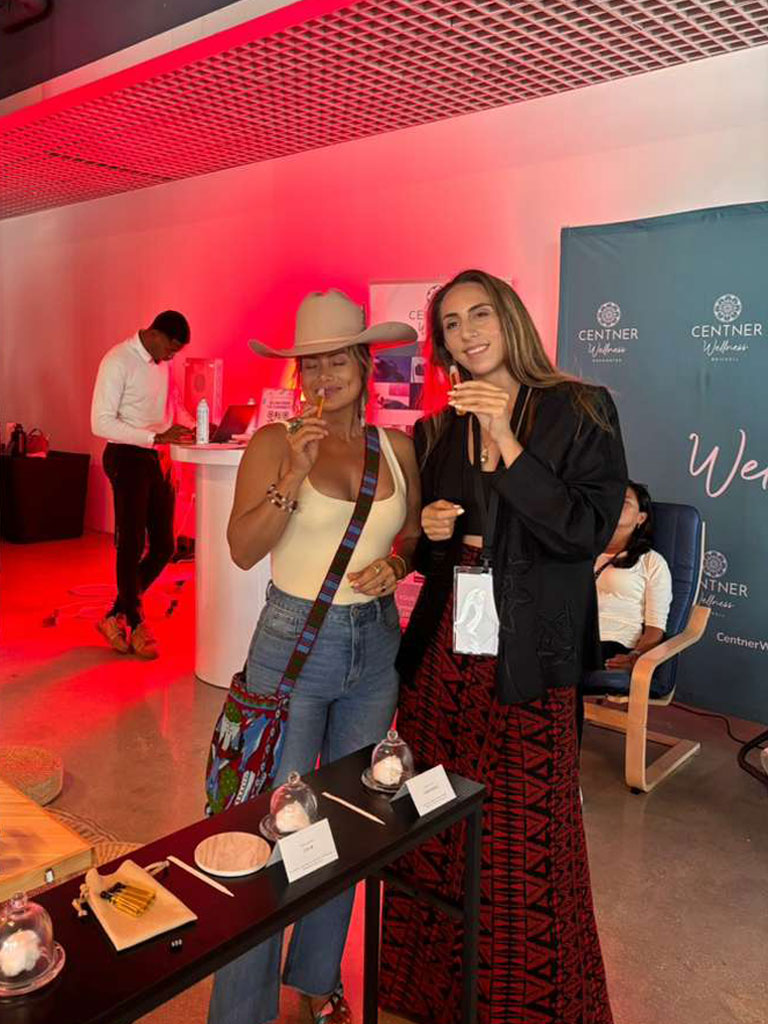
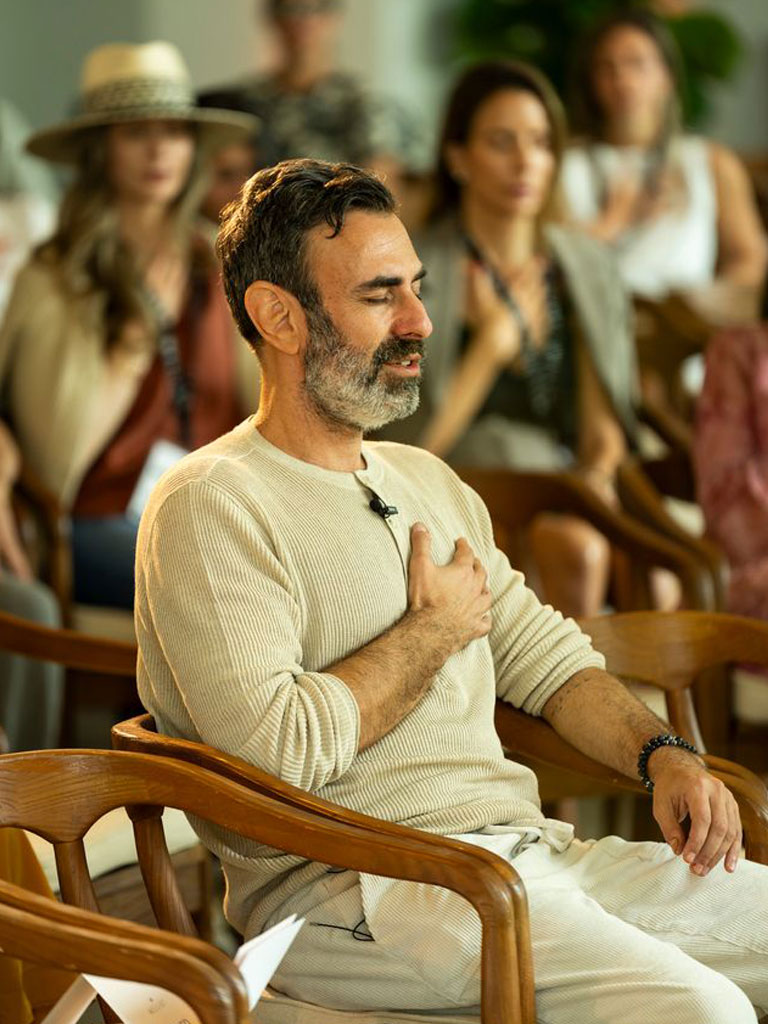
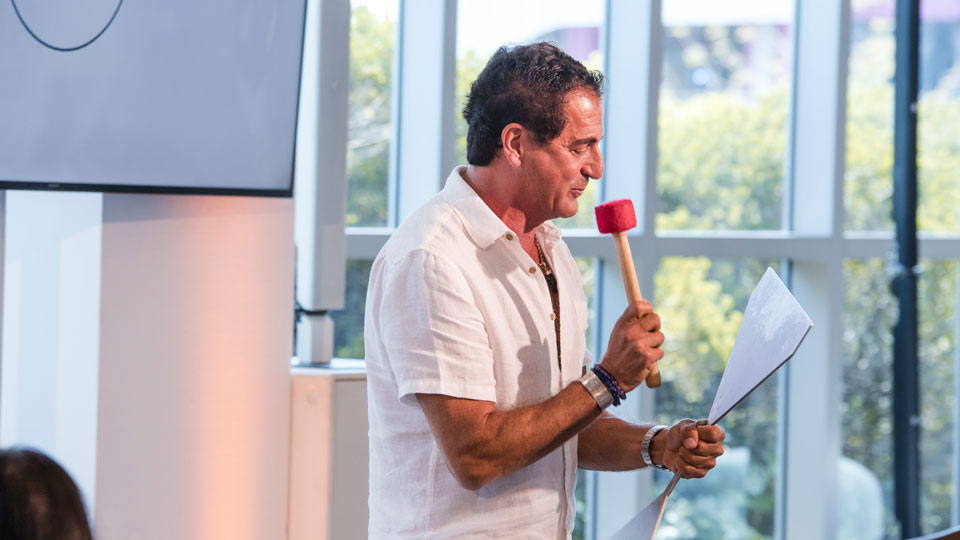
Between the high-level investment talks, the week was punctuated by “Social Sanctuaries.” From Murray Hidary’s immersive MindTravel silent piano meditations on the beach to lymphatic movement sessions at Paradise Plaza, the energy was about collective regulation.
Venues like The Well, The Standard, The Edition and The Moore became hubs for “Restorative Socializing.” We saw a pivot away from the high-performance “push harder” mentality toward Nervous System Safety. Travelers are exhausted. They want environments that make them feel safe, grounded, and connected.
The Thought Leader’s Provocation: A Crossroads

However, as we look at this shiny new infrastructure, we must ask the hard question: Who is it for? As a thought leader in this space, my takeaway from Miami is that we are at a crossroads. We have the technology to build “Gated Longevity”—luxury enclaves for the 1%. But the true “Art” of this movement lies in its Regenerative Ethos. The future of wellness in hospitality isn’t just about selling a $500 biohacking session; it’s about using these innovations to redefine how we build cities for everyone.
Final Reflections
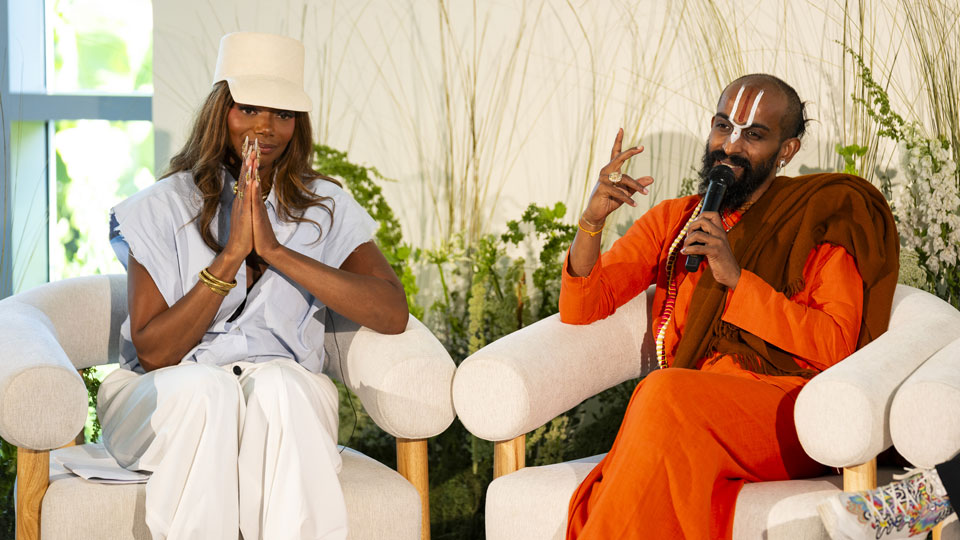
Wellist Week proved that Miami is no longer just a destination for “the scene.” It is the laboratory for Human Evolution.
The mandate for developers, investors, and founders is clear: Stop building amenities. Start building ecosystems. Wellness is no longer a department; it is the foundation. The era of Purpose-Driven Infrastructure has begun, and if this was a true indication, the future looks incredibly vital.
As the wellness economy continues to mature, the most influential gatherings are no longer simply conferences—they are ecosystems for connection, collaboration, and cultural exchange. The conversations sparked throughout the event reflected a collective desire to build businesses, destinations, and experiences that prioritize both human and societal wellbeing.
As an official media partner, AMI Global was pleased to support and document the conversations shaping this evolving landscape.

Apollonia Keys Martinez founder AMI Global, a boutique international strategic advisory and communications consultancy specializing in hospitality, wellness, lifestyle, and regenerative destination development.


