We have become remarkably sophisticated about what we put into our bodies, yet remain surprisingly unaware of what we surround them with.
We measure our steps, monitor our glucose, invest in supplements, follow elaborate skincare routines and travel halfway around the world for wellness retreats. Yet many of us return home to bedrooms that interfere with our sleep, offices that leave us exhausted and environments that quietly work against the very wellbeing we are trying to cultivate.
What if the next frontier in preventative medicine isn’t another treatment, supplement or wearable device, but the spaces in which we spend our lives?
My curiosity began with something rather ordinary: my bedroom.
After years of struggling with spinal pain and disrupted sleep, I began questioning my mattress, pillows, lighting and sleeping position. I discovered that some of the expensive orthopaedic products I had purchased were making me less comfortable, not more.
I also noticed that moving electrical cables and extension leads away from my bed coincided with an improvement in my sleep. I couldn’t establish whether electrical exposure was responsible, but it made me curious about the invisible characteristics of our surroundings.
The more I investigated, the more I realised how little attention we give to the environment as a determinant of health.
That curiosity eventually became part of the inspiration for founding a company dedicated to the relationship between environments and wellbeing.
And it led me to a much bigger question: Can we design spaces that actively support the way our bodies are meant to function?
Light: the invisible conductor of our biology
Before electricity, human life was largely synchronised with the natural progression of daylight and darkness.
Today, we can experience bright artificial light at midnight, spend entire days without meaningful exposure to sunlight and wake to the glow of a smartphone before our eyes have adjusted to morning.
Yet light is much more than something that allows us to see.
Specialised light-sensitive cells in the retina communicate with the brain’s central circadian clock, located in the suprachiasmatic nucleus of the hypothalamus.
This biological timing system helps coordinate sleep, alertness, body temperature, hormone rhythms and many aspects of metabolism.
Morning light is an important signal that helps synchronise the circadian system. Bright light late in the evening can delay the body’s preparation for sleep and suppress melatonin, depending on intensity, wavelength, duration and individual sensitivity.
The implications for architecture are extraordinary.
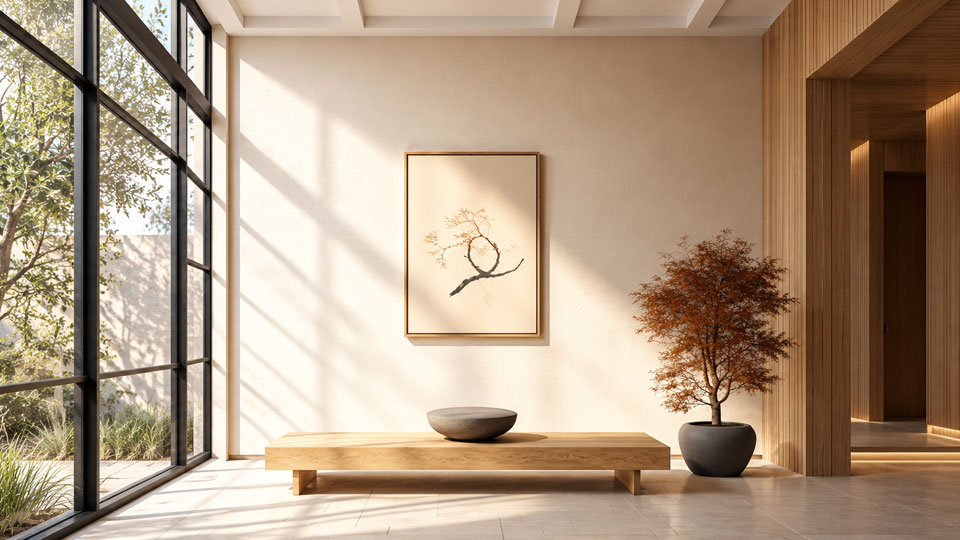
A room with generous daylight, appropriate shading and carefully designed evening lighting can support healthier circadian timing. A room with insufficient daytime light and excessively bright illumination at night may do the opposite.
The most sophisticated hotels are beginning to explore lighting systems that change in intensity and colour temperature throughout the day.
But the concept is hardly new.
Traditional Japanese architecture has long explored the relationship between filtered light, shadow and the changing seasons. In Scandinavia, where winter daylight can be extremely limited, the relationship between light, mood and daily rhythm is particularly significant.
The scientific challenge is to translate these observations into measurable design principles.
What to consider: Prioritise natural daylight during the day, reduce unnecessary bright light before bedtime, use effective blackout solutions where appropriate and avoid treating all artificial light as biologically equivalent.
Blue-light-blocking glasses are frequently marketed as sleep solutions, but clinical evidence for improved sleep remains uncertain. The timing and intensity of overall light exposure are more important than relying on a particular pair of glasses.
Sleep: why the most expensive bed may not be the healthiest
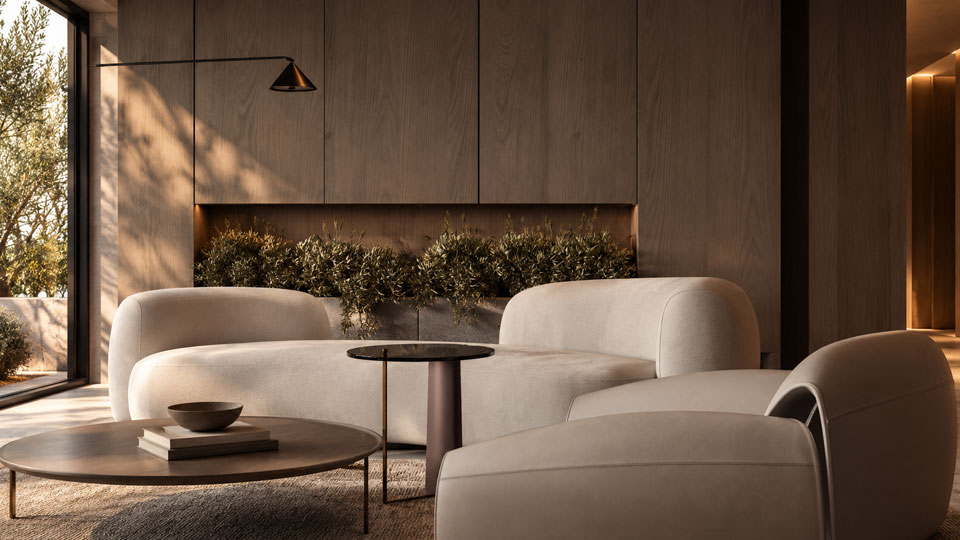
We spend approximately a third of our lives sleeping, yet most of us choose our beds based on a few minutes in a showroom.
During my own recovery, I became fascinated by how dramatically different mattresses and pillows affected my comfort.
Products advertised as ergonomic or orthopaedic sometimes made my pain worse. Changing my sleeping position, using a pillow between my knees and experimenting with support beneath different parts of my body often proved more useful.
I also learned that the right mattress is not necessarily a permanent choice.
Our bodies change through pregnancy, injury, ageing, fluctuations in weight and physical rehabilitation. What feels supportive during one period may become uncomfortable during another.
Research suggests that medium-firm mattresses may benefit some people with chronic non-specific low-back pain, but there is no universally ideal mattress for every body or condition.
And bedding is only one part of the sleeping environment.
Temperature, ventilation, noise, light, humidity and psychological comfort can influence how easily we fall asleep and how often we wake.
Core body temperature normally decreases as we prepare for sleep. A bedroom that is too hot can interfere with this process, while excessively cold conditions can also cause discomfort and awakenings.
This makes thermal design especially important in hospitality.
A beautiful hotel room with poor temperature control may be less restorative than a modest room with excellent ventilation, quiet surroundings and comfortable bedding.
What to consider: Evaluate mattress and pillow comfort individually, investigate persistent sleep disturbances rather than simply buying more sleep products, and pay attention to temperature, darkness and noise.
For people with chronic pain, sleep should be considered part of the recovery strategy, not merely a consequence of whether the pain improves.
The invisible bedroom: electricity, wireless technology and building biology
One of the more controversial areas of environmental wellness concerns electromagnetic fields.
Modern buildings contain electrical wiring, charging devices, wireless networks, lighting systems and an expanding collection of connected technologies.
Different sources produce different kinds of electromagnetic fields.
Low-frequency electric fields can exist around energised wiring. Magnetic fields arise when current flows. Mobile phones and Wi-Fi equipment emit radiofrequency electromagnetic energy.
These exposures are not interchangeable, and their biological effects cannot be assessed as though they were one phenomenon.
In Germany, the tradition of Baubiologie, or building biology, examines the relationship between buildings, environmental exposures and human health.
Its practitioners may investigate electrical fields, indoor pollutants, mould, noise, materials and other characteristics of the built environment.
Some of these subjects — such as indoor air pollution, mould and noise — have well-established health implications. Others, including claims that ordinary household electromagnetic-field exposure causes insomnia, remain scientifically disputed or unsupported by consistent evidence.
Major public-health assessments have not established that typical household electromagnetic-field exposure is a cause of chronic sleep disorders.
That distinction matters.
My personal experience of sleeping better after moving cables away from my bed prompted a useful investigation, but it does not prove that the fields were responsible.
There are also more ordinary explanations worth considering: fewer illuminated devices, less background noise, reduced temptation to use a phone, or simply a calmer sleeping environment.
The practical lesson is not to become frightened of every electrical outlet.
It is to understand what we can measure, distinguish credible risks from speculation and make sensible environmental choices without creating unnecessary anxiety.
What to consider: Keep unnecessary devices and charging clutter away from the bedside if it improves comfort, minimise disruptive lights and notifications, and seek qualified assessment for genuine electrical or indoor environmental concerns.
A healthy bedroom should make us feel more secure, not more fearful of invisible threats.
Air: the environmental factor we rarely see
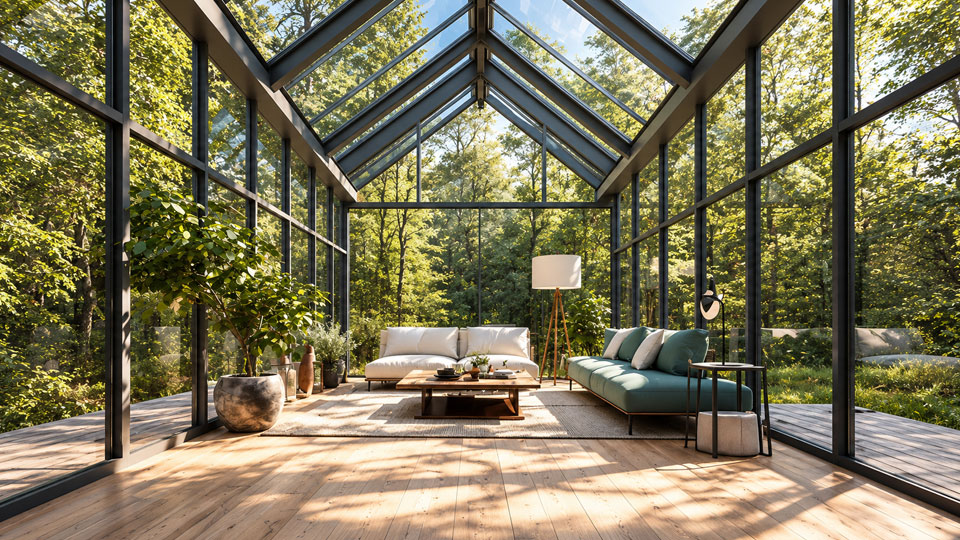
Air may be one of the most underestimated aspects of interior design.
We can spend hours discussing the colour of a wall or the quality of a fabric without asking whether the room has adequate ventilation.
Yet indoor air can contain particulate pollution, volatile organic compounds, allergens, moisture and, in some circumstances, harmful concentrations of pollutants from cooking, heating or building materials.
Carbon dioxide is also useful as an indicator of how effectively occupied spaces are ventilated, although CO₂ levels alone do not measure every aspect of air quality.
Poor ventilation can contribute to stuffiness and reduced comfort. Specific pollutants can have more direct effects on respiratory and cardiovascular health.
Mould and persistent dampness are associated with respiratory symptoms and asthma-related problems.
The implications extend well beyond private homes.
Hotels, aircraft cabins, offices, schools and wellness facilities all have different ventilation challenges.
Singapore offers an interesting architectural case study. Its tropical climate has encouraged experimentation with shaded façades, natural ventilation, planted spaces and hybrid cooling strategies.
But greenery alone does not guarantee healthy air.
A room full of plants may look restorative while still requiring effective ventilation and control of pollutant sources.
What to consider: Investigate ventilation, moisture, filtration where appropriate, cooking emissions, cleaning products and sources of indoor pollution. Prioritise removing pollutant sources rather than relying on fragrances or plants to conceal them.
Temperature: the body’s relationship with its surroundings
During years of dealing with chronic back pain, I repeatedly noticed that I felt more comfortable in warmer climates.
My muscles seemed to relax. I moved more freely and often slept better.
Cold, damp conditions sometimes made me feel more guarded and stiff.
This experience encouraged me to investigate the relationship between temperature, pain and the nervous system.
Thermal comfort affects far more than whether we feel hot or cold.
Temperature influences sleep, physical activity, cardiovascular responses and thermoregulation. Local heat can provide short-term relief for some musculoskeletal pain conditions.
The relationship between weather and chronic pain, however, is complicated. Studies examining humidity, rain, atmospheric pressure and joint symptoms have produced inconsistent findings.
Warmth is not universally beneficial, and extreme heat can be dangerous.
Nevertheless, temperature can influence how comfortable someone feels moving through their day.
Different cultures have developed remarkably sophisticated relationships with thermal environments.
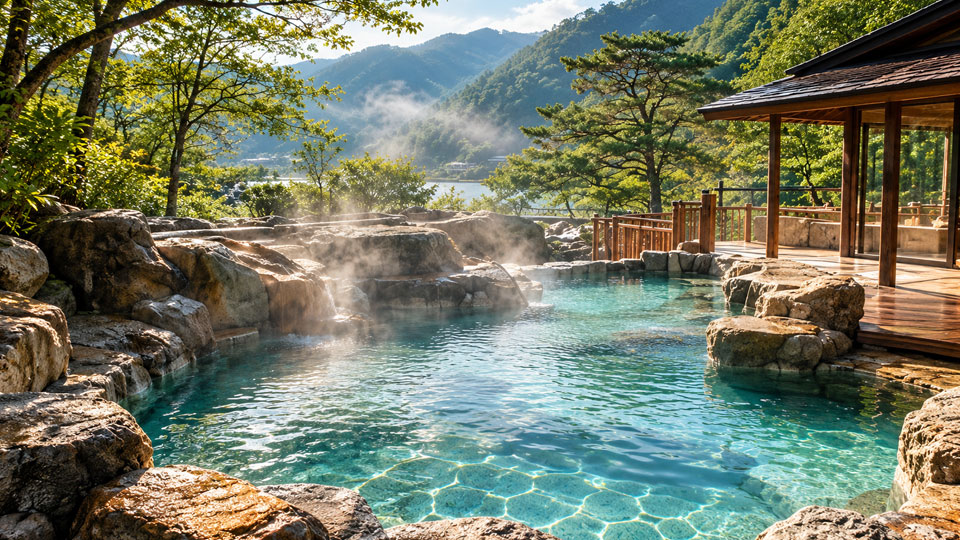
Finland’s sauna tradition, Japan’s onsen culture, Turkish hammams and European thermal bathing all place temperature at the centre of bodily experience.
Modern research is investigating the cardiovascular and physiological effects of sauna bathing, heat exposure and cold-water immersion.
Some findings are promising, but observational associations do not establish that sauna use directly prevents disease. Cold plunges, meanwhile, are not universally appropriate and can pose cardiovascular and other risks.
What to consider: Design for individual thermal control rather than imposing one ideal temperature. Investigate whether heat, cool environments or warm-water movement improve personal comfort, while respecting medical contraindications.
Sound: the architecture we hear rather than see
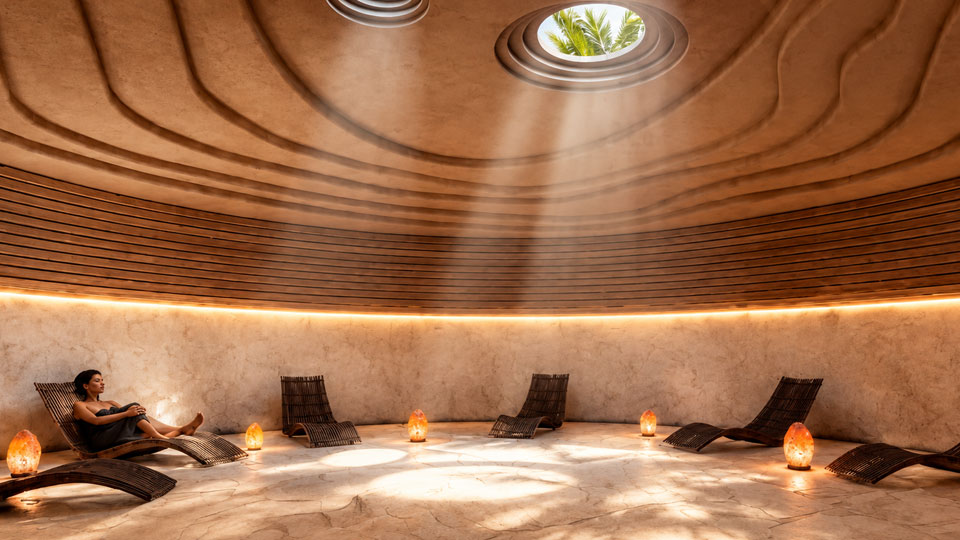
A room can look perfectly peaceful and still be acoustically exhausting.
Traffic, ventilation systems, footsteps, conversations, electronic hums and intermittent mechanical noises can all affect our experience of a space.
Environmental noise is associated with sleep disturbance, annoyance and, at sustained levels, adverse cardiovascular outcomes.
The World Health Organization has published environmental noise guidelines addressing transport and other major sources.
Yet sound is often considered late in the design process, after the architecture has already been determined.
This is particularly surprising in hospitality.
Guests may forgive an imperfect view. They are less likely to forget a night of interrupted sleep.
The solution is not necessarily absolute silence.
Natural soundscapes, gentle water sounds and carefully designed acoustic environments can create a sense of comfort and privacy. Their effects depend on personal preference and context.
Music and sound-based practices may also support relaxation, though claims about particular frequencies healing organs or repairing tissue are not established.
What to consider: Look beyond decorative acoustic panels. Examine sound transmission, mechanical noise, room placement, door seals and whether guests can control their auditory environment.
Nature: why a view can change how we feel
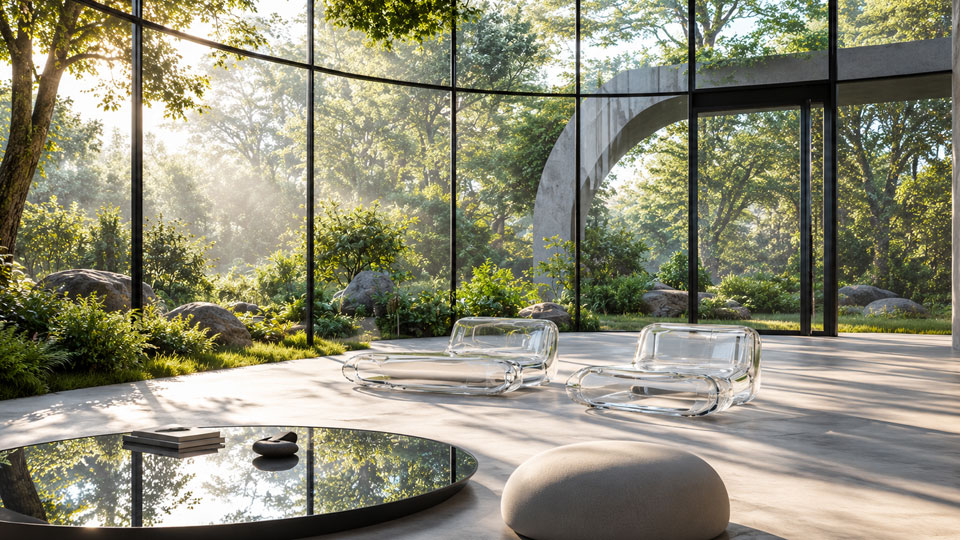
There is a reason many people instinctively feel calmer near forests, water or expansive landscapes.
Natural environments can encourage physical activity, provide opportunities for social connection and offer relief from some forms of urban sensory overload.
Research has also investigated relationships between nature exposure, stress, attention and psychological wellbeing.
In Japan, shinrin-yoku, commonly translated as forest bathing, encourages slow, attentive immersion in woodland environments.
It is not necessarily a strenuous hike. The emphasis is on sensory experience: light filtering through leaves, the texture of the ground, the movement of air and the sounds of the forest.
Studies suggest possible benefits for stress and mood, although findings vary and the evidence does not support every claim made about forest bathing.
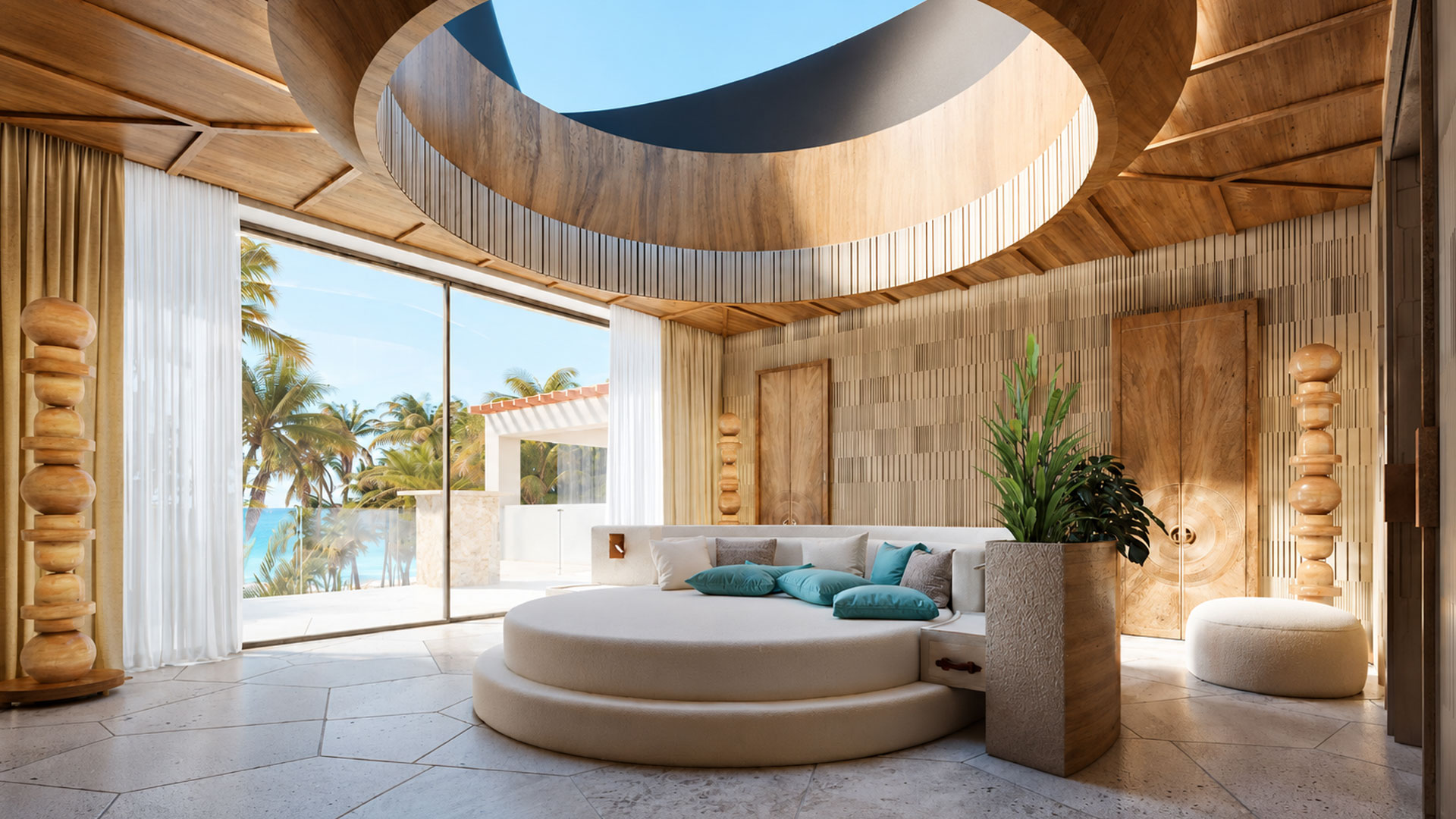
This has inspired growing interest in biophilic design: incorporating natural light, vegetation, natural materials, views and patterns associated with nature into the built environment.
But biophilia should be more than adding a living wall to a hotel lobby.
A genuinely nature-connected building considers daylight, views, outdoor access, airflow, sensory comfort and the relationship between the architecture and its landscape.
What to consider: Prioritise meaningful access to daylight, natural views and outdoor spaces. Where direct access to nature is limited, thoughtful design can still improve comfort and connection.
The nervous system: can a room make us feel safe?
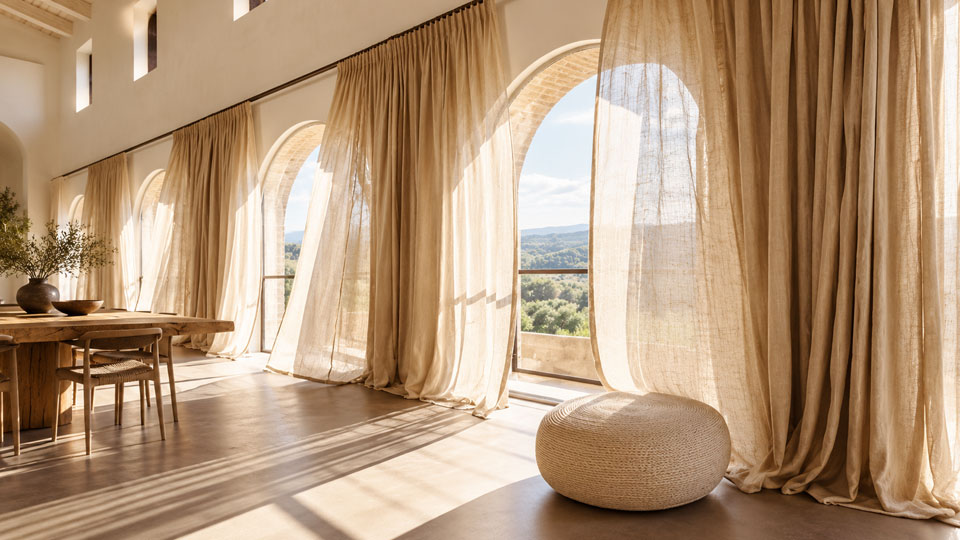
Perhaps the most overlooked dimension of wellness architecture is psychological safety.
A space can be visually beautiful yet leave us feeling exposed, overstimulated or uncomfortable.
Privacy, noise, crowding, control over lighting and temperature, cultural familiarity and the ability to retreat can all influence our experience of an environment.
Our nervous system continuously processes information about our surroundings.
Stress responses involve complex interactions among the brain, autonomic nervous system and endocrine system. These processes affect alertness, sleep, attention and physiological arousal.
This doesn’t mean every stressful room causes disease, or that architecture can replace treatment for anxiety or trauma.
But environments can reduce or increase everyday sources of stress.
A guest who can control the lighting, close a door against noise, adjust the temperature and find a comfortable private space may experience a greater sense of agency.
For someone recovering from illness or living with chronic pain, that can be particularly valuable.
I have come to believe that wellness design should begin with a simple question:
How does this space make the body feel?
Not only how it photographs, how expensive its materials are or how impressive it looks on arrival.
But whether it allows someone to rest, move, concentrate, connect and feel comfortable.
Ancient wisdom and modern measurement
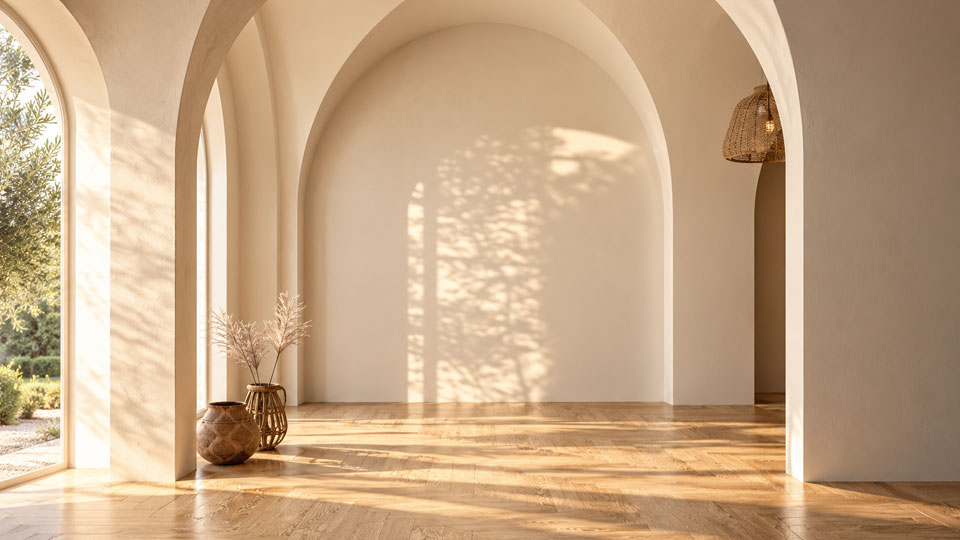
Across cultures, people have long considered the relationship between human wellbeing and the environments they inhabit.
Chinese feng shui explores spatial relationships, orientation and harmony. Indian Vastu Shastra contains traditional principles concerning layout and the natural environment. Japanese architecture often emphasises seasonal change, filtered light and the relationship between inside and outside.
These systems offer fascinating cultural and historical perspectives.
Their traditional explanations of energy and health, however, should not be confused with scientifically demonstrated physiological mechanisms.
What interests me is the opportunity to examine their design principles alongside modern research.
Could a traditional emphasis on daylight, airflow or access to nature correspond with measurable environmental benefits?
Which principles are culturally meaningful but not medically validated?
And where might contemporary architecture have lost sight of useful relationships between human behaviour and the natural world?
The answer is not to romanticise ancient knowledge or assume