As family capital, art and regenerative development begin to converge, a different question is emerging around the places we travel to: who gets to shape what they become?
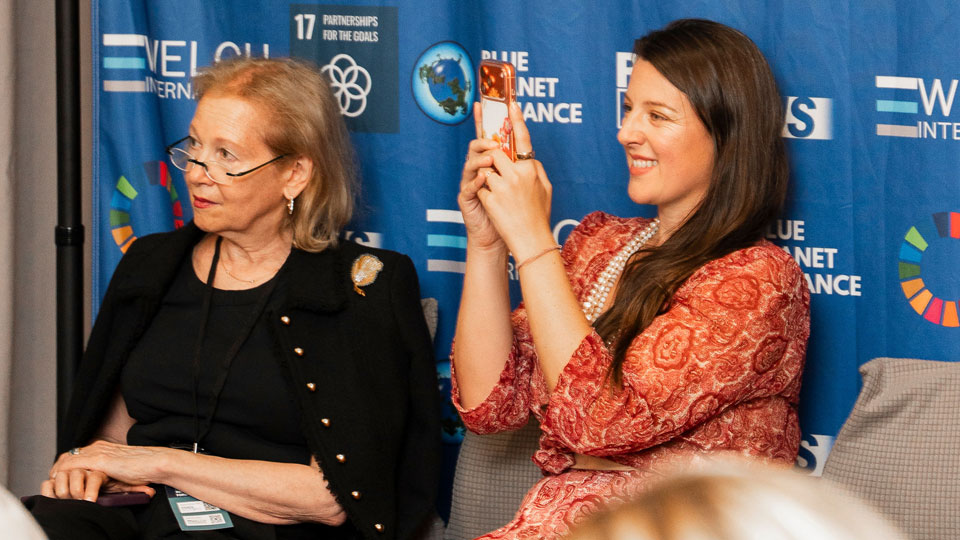
During Climate Week in New York, one of the more interesting conversations taking place among family offices and impact investors was not simply about where capital should go, but about what happens when capital begins to operate at the level of systems change.
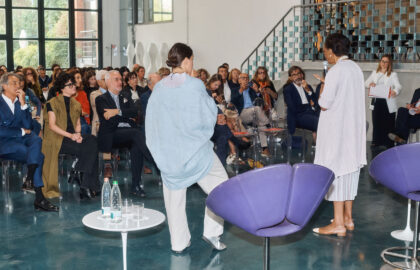
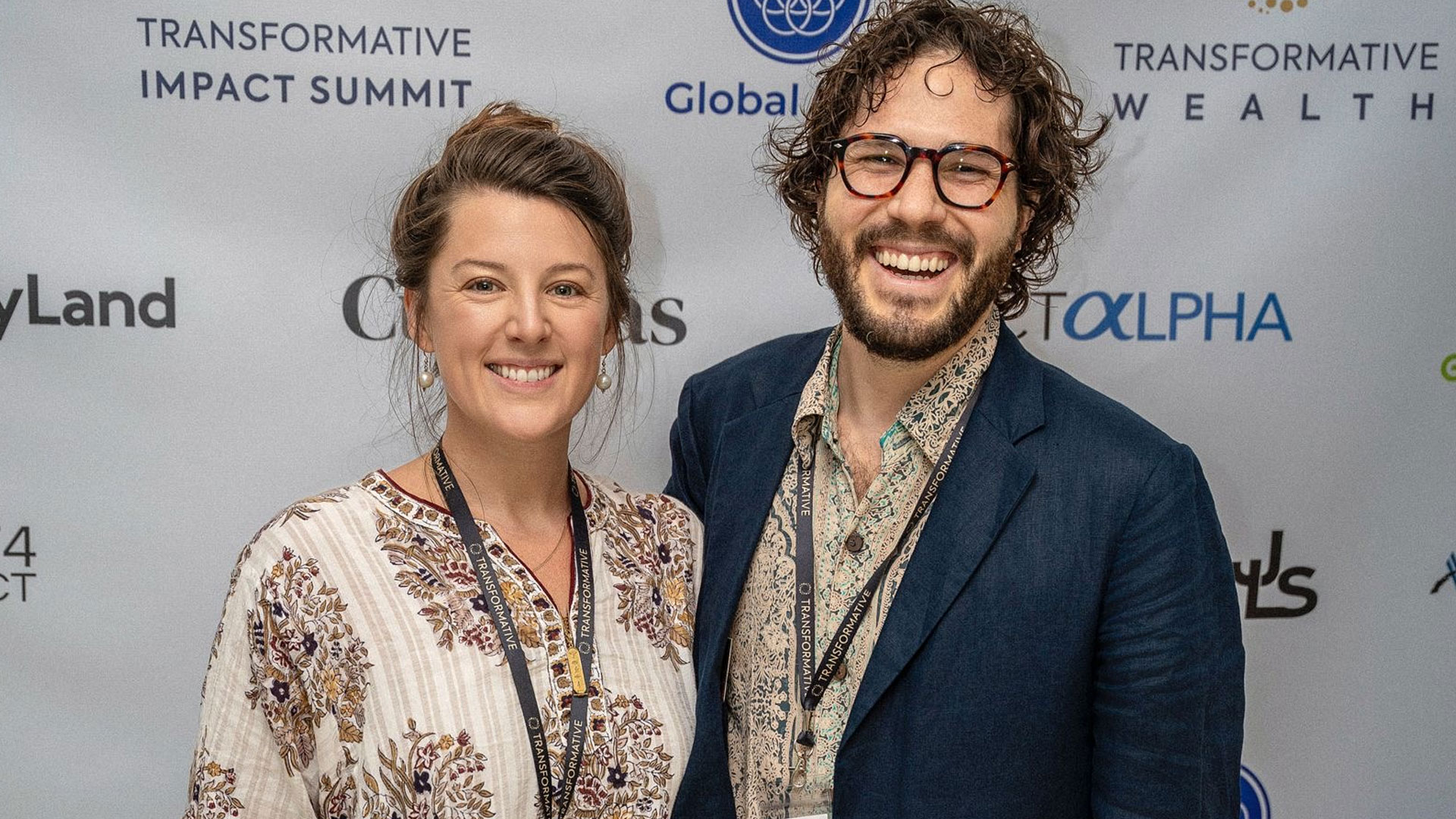
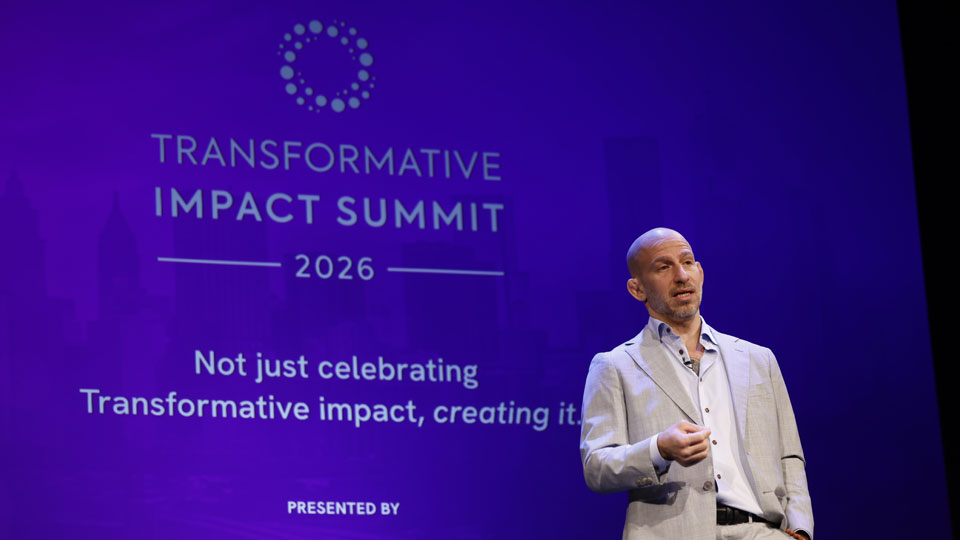
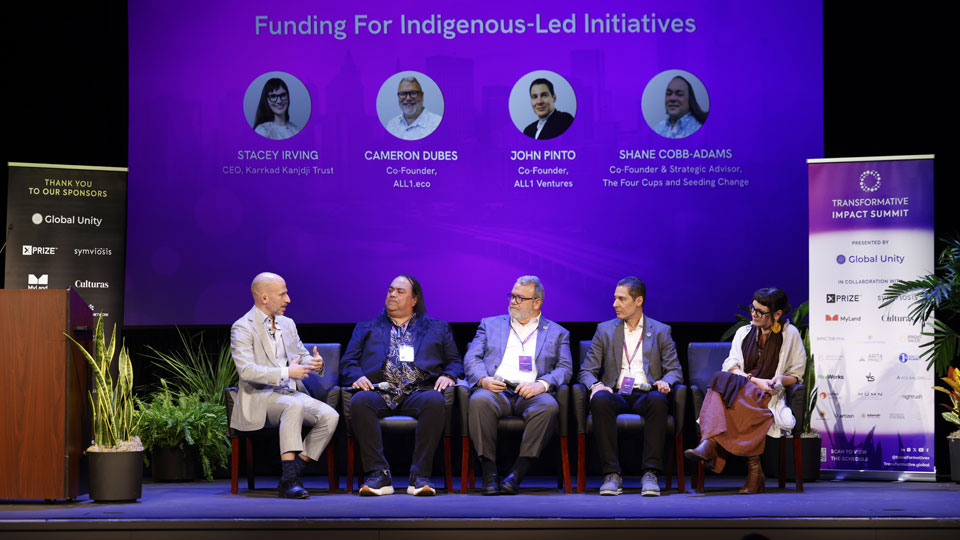
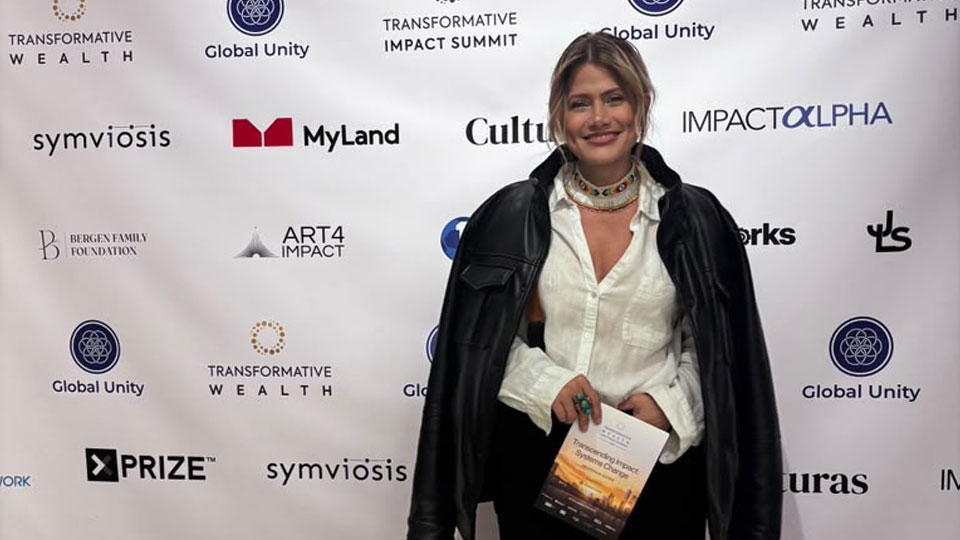
The Transformative Wealth Family Office, Philanthropist & Impact Investor Gathering, held September 24–25, brought together wealth holders, family offices, philanthropists and impact-focused investors under the theme “Transcending Impact: Systems-Change.” Its premise was direct: individual impact investments matter, but they are not enough on their own. The larger question is how capital, relationships and multiple interventions can work together to create broader, lasting change.
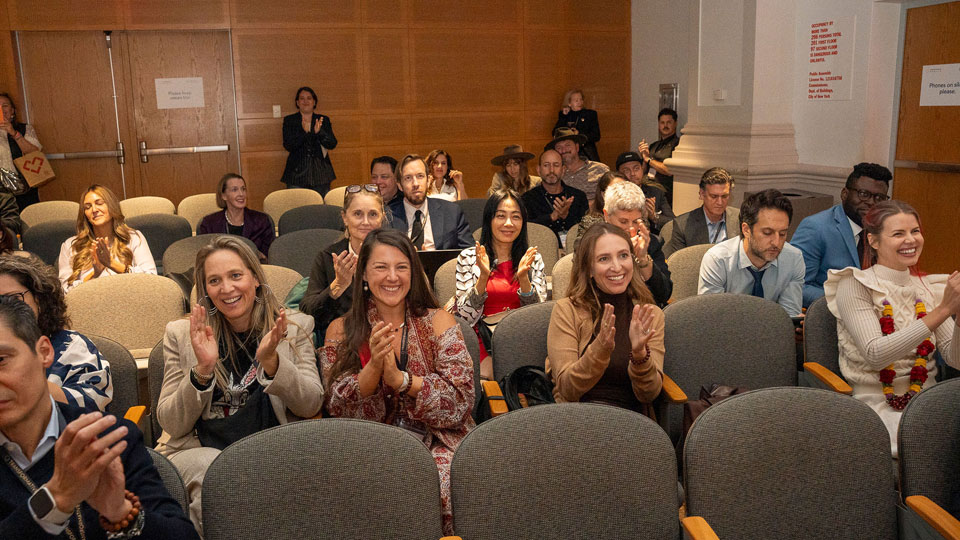
What was striking in the room was the breadth of the conversation. Systems change was being approached not as a single sector, but through art, health, technology, finance, community, ecological restoration and regenerative development. The gathering brought together people working across those disciplines, reflecting a broader shift in how impact itself is being understood.
For those watching the evolution of travel and hospitality, that conversation has particular relevance.
Capital eventually takes physical form. It becomes land, buildings, hotels, wellness spaces, farms, cultural institutions and the infrastructure that connects them. It influences not only where people travel, but what places become.
The Bergen family offers one tangible example of how that thinking is evolving.
From Cultural Legacy to Stewardship
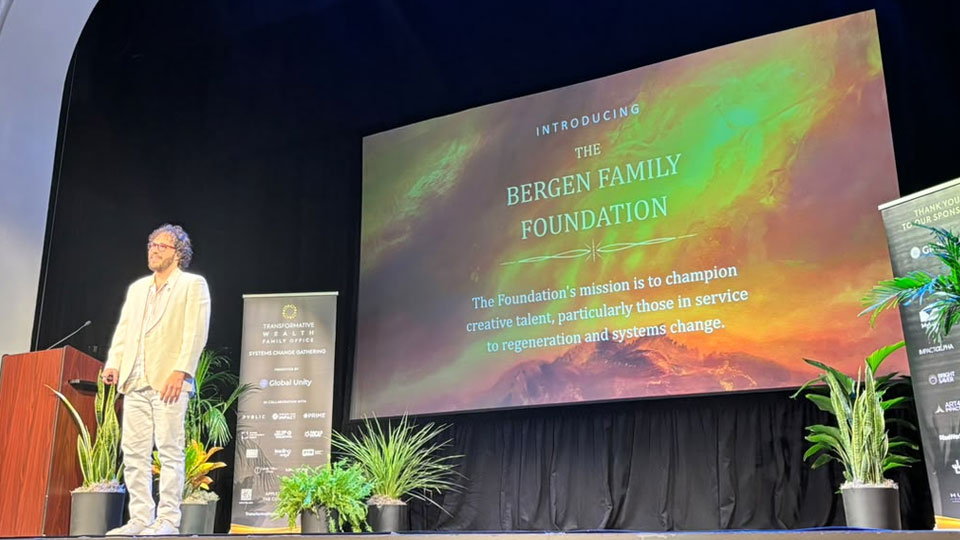
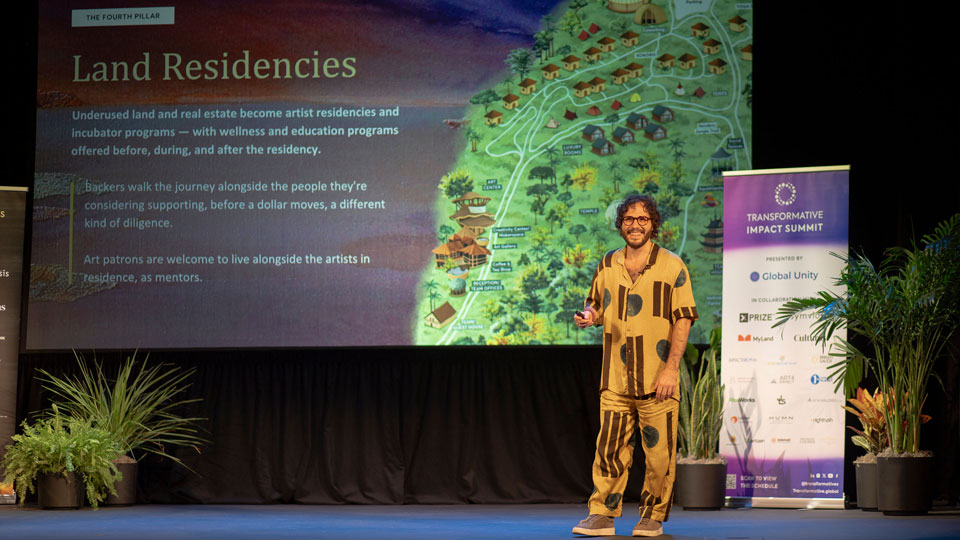
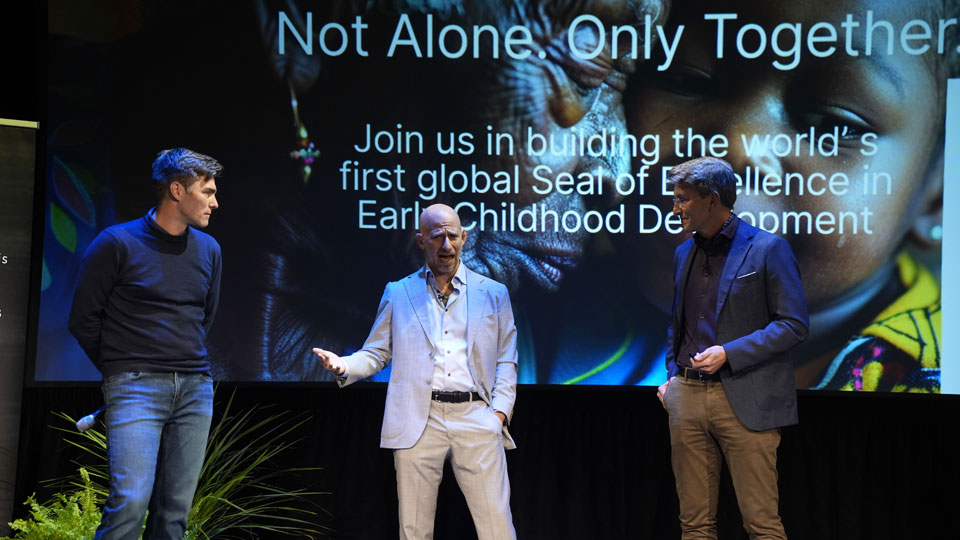
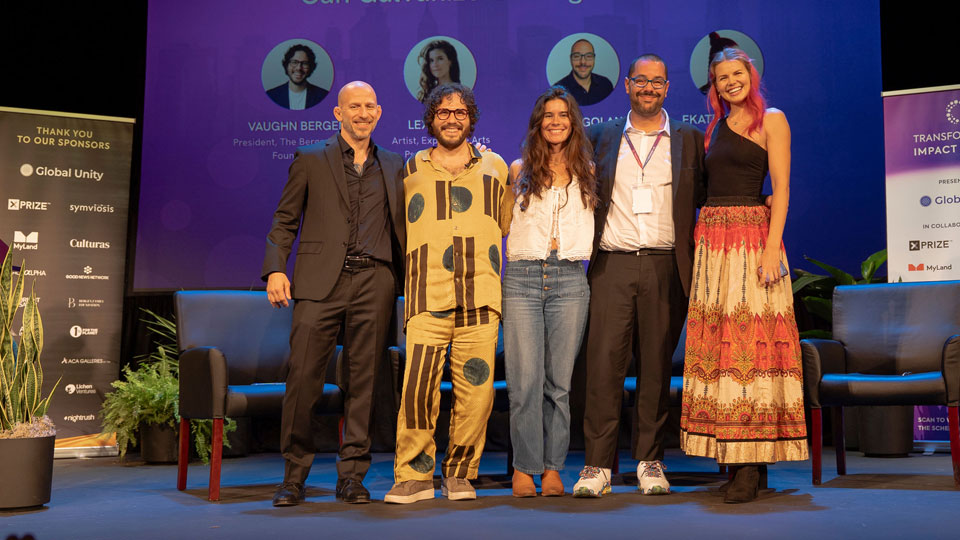
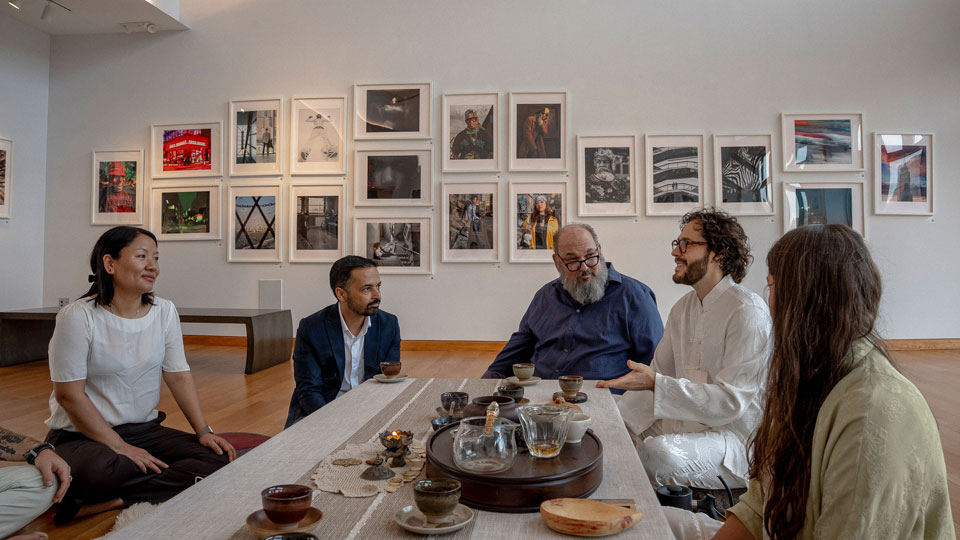
Vaughn Bergen is the fourth generation of ACA Galleries, the New York institution founded in 1932 by his great-grand uncle, Herman Baron, known by some as “The People’s Gallery.” The gallery was built around artists who were often overlooked by the establishment, including women and artists of color. Subsequent generations continued that tradition, championing artists including Faith Ringgold, Romare Bearden and Jacob Lawrence.
By the third generation, Jeffrey and Dorian Bergen had expanded the role of the family’s home and gallery into a place where cultural and social movements could take shape, helping incubate organizations including the Social Venture Network, Threshold Foundation and New York Open Center.
Now, the fourth generation is asking what that legacy can become next.
In 2026, Vaughn and Kayla Rose Bergen founded the Bergen Family Foundation in memory of Jeffrey Bergen, creating what they describe as a permanent vessel for the family’s work. The foundation brings together six areas of focus: capital stewardship, cultural legacy, philanthropy and governance, regenerative community development, human flourishing and impact investing.
That combination is significant.
The family’s legacy is no longer defined simply by what it owns or preserves, but by what it can steward. As the Bergens describe it, stewardship extends beyond what we own to what we help preserve, cultivate and pass forward.
That represents a subtle but important shift in how family wealth can be understood.
Preservation asks: How do we protect what has been built?
Stewardship asks: What are we responsible for carrying forward to future generations?
And regeneration takes the question one step further:
What can we help become healthier, stronger or more precious than we found it?
Through Art for Impact, the family positions impact artists as cultural messengers, while Vaughn’s broader work connects creativity with human wellbeing and regenerative development. Together, these ideas suggest a model of legacy that is not simply about preserving what came before, but creating the conditions for what comes next.
When Regeneration Becomes More Than a Concept
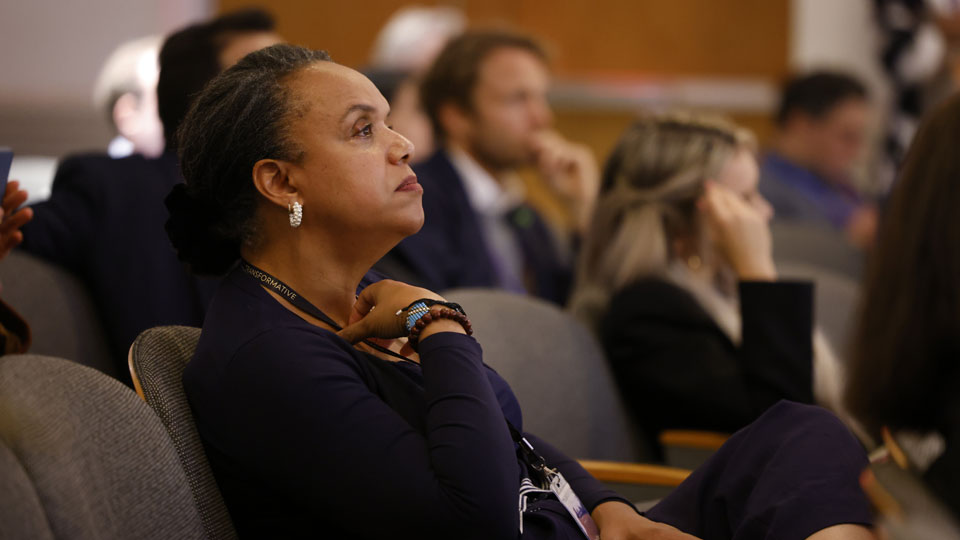
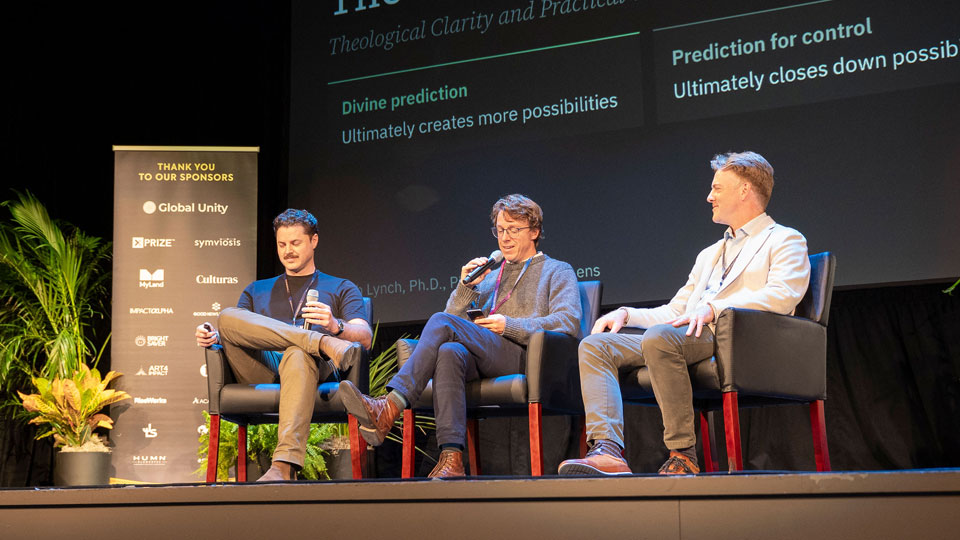
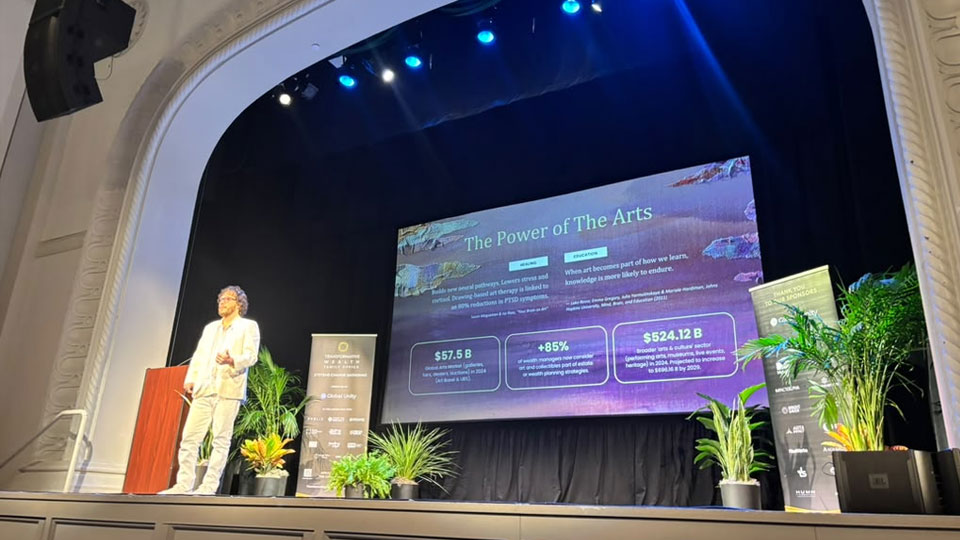
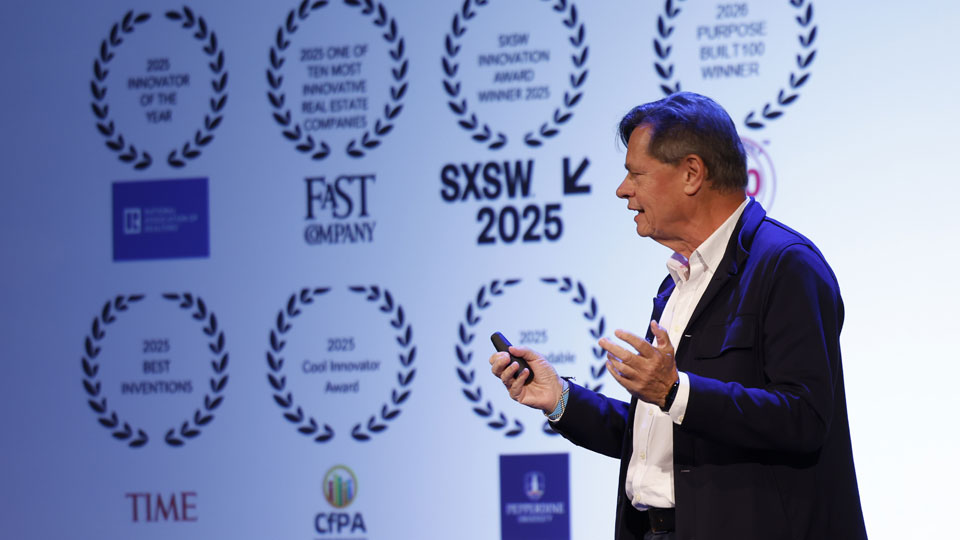
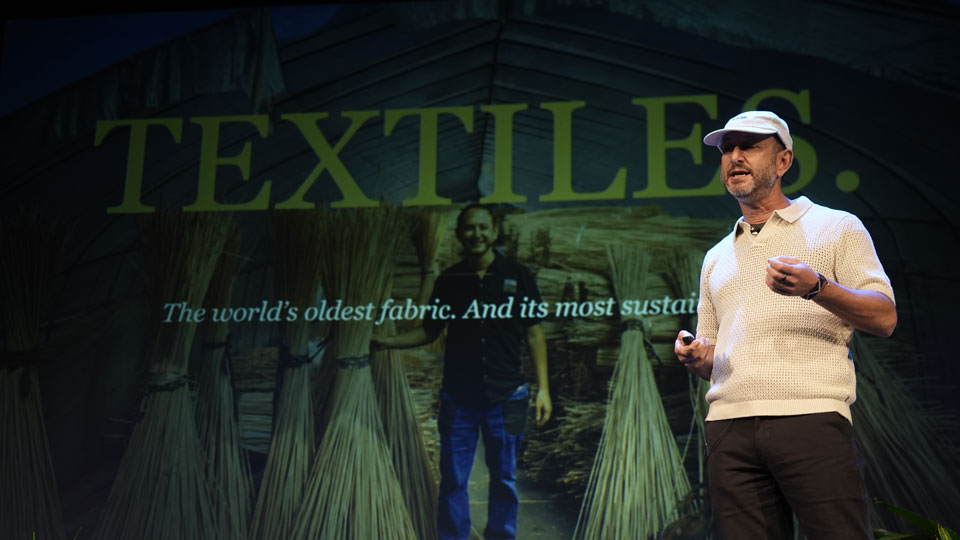
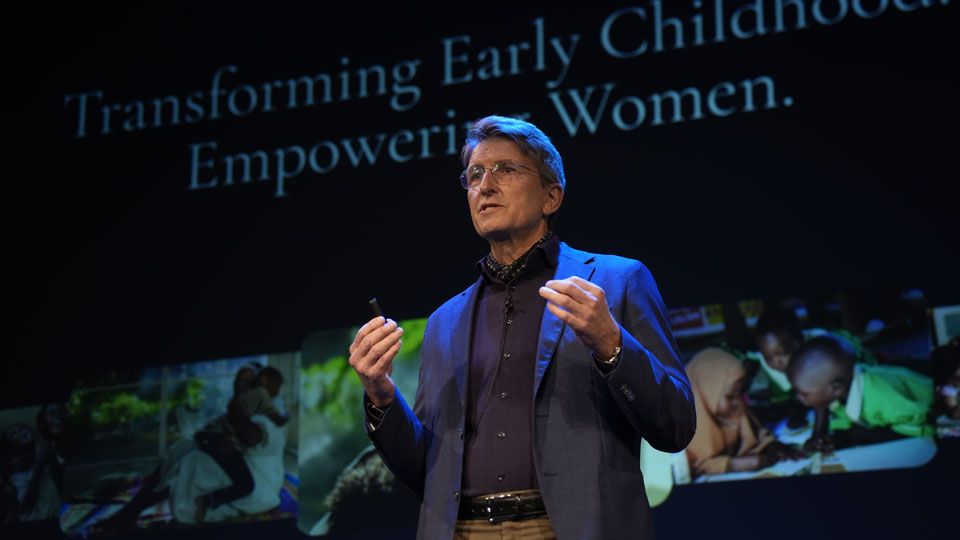
That broader idea was visible across the Climate Week conversations.
Regeneration was not being treated as one sector or one solution but as the catalyst for systems change. It appeared in discussions around ecological restoration, finance, community, health, technology, Indigenous knowledge and the built environment.
But the growing popularity of the language also raises a more difficult question: when does regeneration become a development philosophy, and when does it simply become another way of describing a development?
The distinction matters.
Regeneration can mean restoring an ecosystem. It can mean rebuilding a local economy, strengthening community resilience, supporting human health or changing how capital moves. But if the underlying decisions remain unchanged who owns the land, who benefits economically, who has influence and whose knowledge counts then changing the language does not necessarily change the system.
That question surfaced in different forms throughout the gathering: how do ideas move from isolated projects into larger systems, and how do the people closest to those systems become part of the process rather than simply subjects of it?
The gathering also emphasized the role of narrative: making emerging solutions visible, connecting people across sectors and bringing ideas that often exist at the margins into wider conversations.
Because systems change is also about what becomes possible to imagine.
Which ideas become culturally desirable? Which communities are given visibility? Who is invited into the room? And how does an emerging model move from the margins into the mainstream?
What This Means for Place
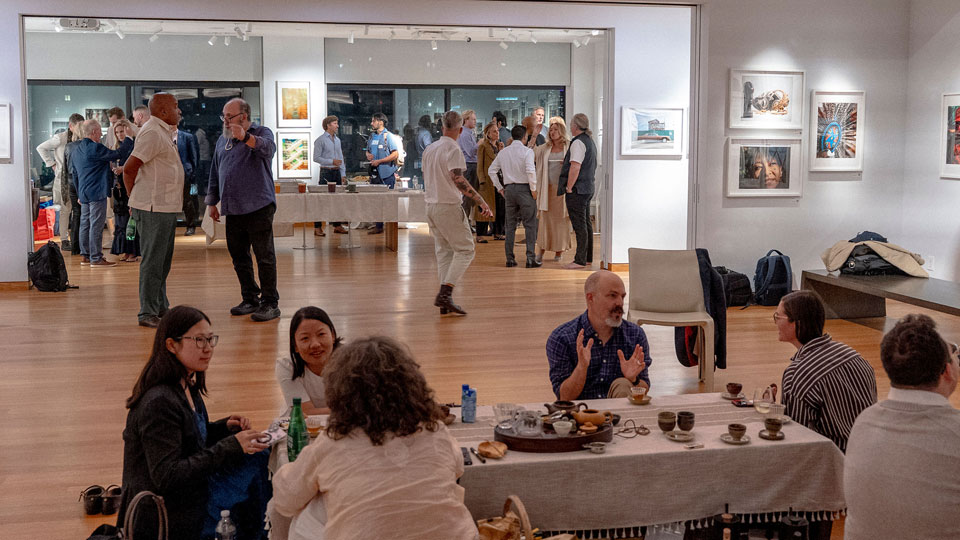
The relevance to travel is not that every family office is suddenly becoming a destination developer. It is that these questions about capital, culture, community and stewardship eventually become physical.
The hospitality industry has become highly skilled at creating a sense of place. Hotels draw on local materials and cuisine. Wellness programs reference regional traditions. Architecture responds to landscape. Culture becomes part of the guest experience.
But there is a difference between incorporating culture into a destination and allowing culture to help shape the destination itself.
A place already contains people, histories, economies, ecological systems and relationships to land before development arrives.
The question is therefore not simply whether a project is sustainable or commercially successful.
It is whether its presence strengthens the larger system around it.
Who is already there? What knowledge already exists? What should be protected? Who benefits economically? Who has a voice in what gets built?
Those questions are increasingly relevant as travelers seek more than conventional hospitality. They are looking for nature, health, privacy, culture, belonging and a deeper relationship to place.
That raises the standard for the industry.
A destination cannot convincingly sell connection while remaining disconnected from the community around it. It cannot position itself around wellness while degrading the environment that surrounds it. And cultural depth becomes more complicated when culture is treated as a design language rather than a living part of the place.
The strongest destinations of the next generation may therefore be distinguished not only by what they offer visitors, but by the relationships they create with the people, culture and environments that make them possible.
The New Question
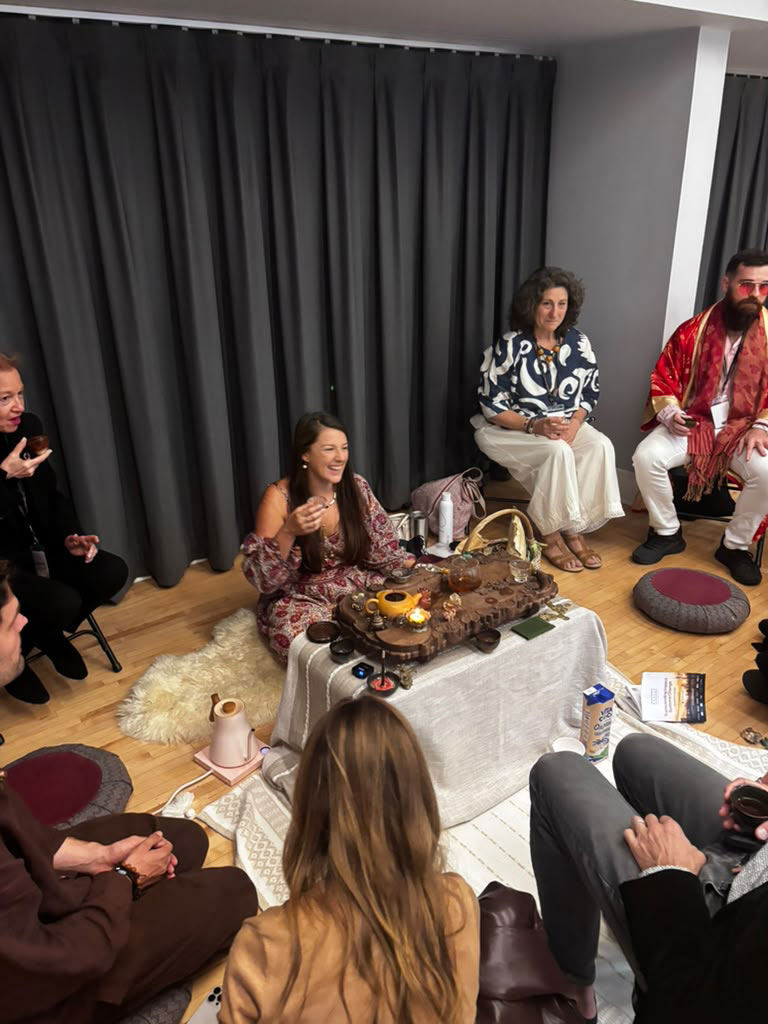
What was notable about the Climate Week conversations was that these questions were no longer happening exclusively within the worlds of climate, philanthropy or investment.
They were unfolding across art, technology, health, community, media, ecology, finance and culture.
Travel sits within that same intersection.
The Bergens offer one emerging example: a four-generation cultural legacy evolving into a broader philosophy of stewardship across art, capital, human flourishing and regenerative development. It is still taking shape, which may be precisely what makes it worth watching.
For travel, the question may ultimately be larger than where people want to go, who has the capital to build there and who gets to decide what that place becomes.
It is about what that capital chooses to sustain, what it chooses to create, and who has a meaningful role in determining what comes next.
Photography: Javi Alvarez