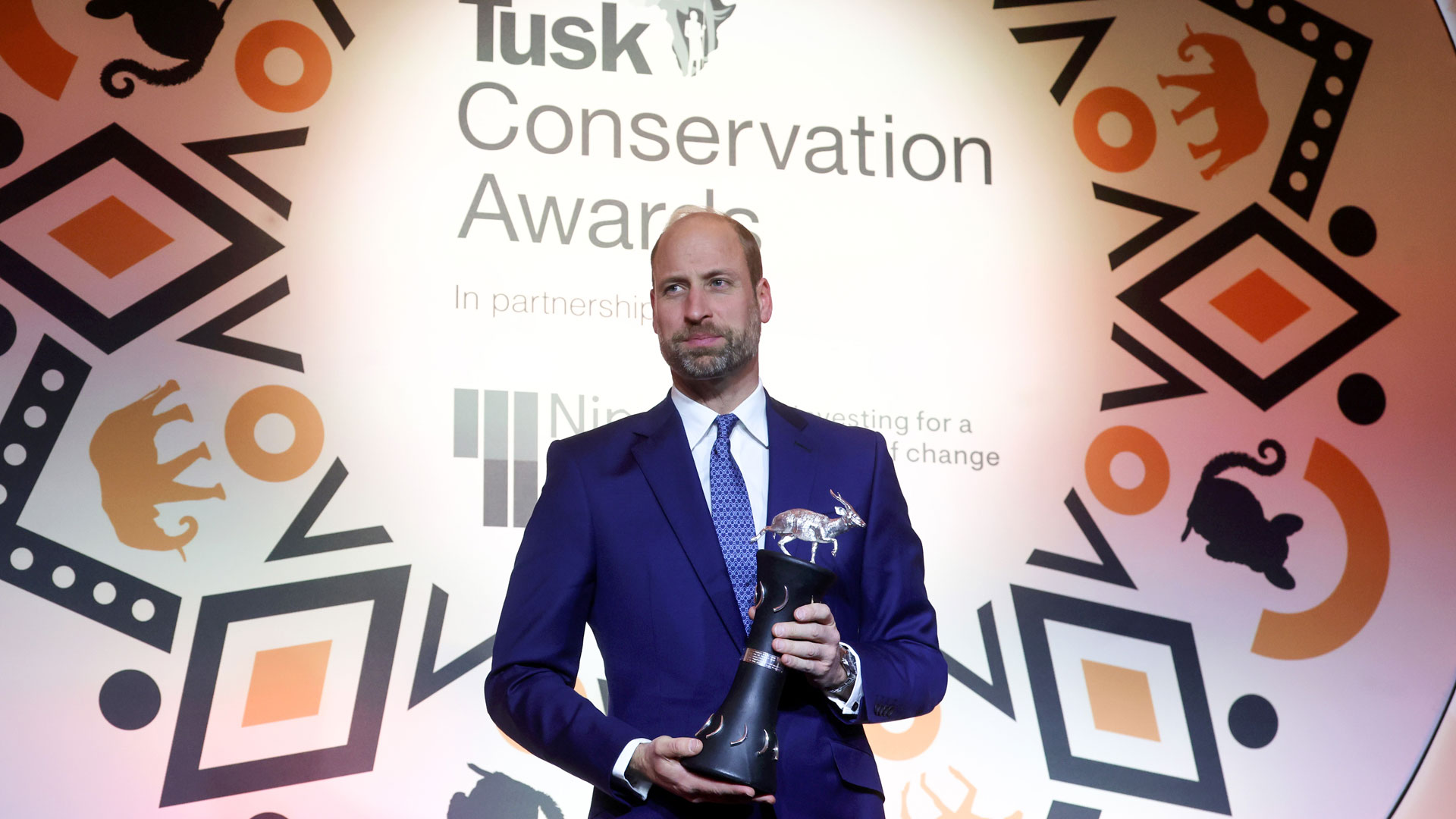
This November, some of Africa’s most remarkable conservationists will gather in London as the Tusk Conservation Awards return for their 14th year — celebrating the people whose work is quietly reshaping the future of wildlife, landscapes and communities across the continent.
Conservation is often spoken about through numbers: species populations, hectares protected, habitats restored.
But behind those numbers are people.
People who spend years protecting threatened wildlife, rebuilding ecosystems, working alongside communities and finding ways for humans and nature to coexist in landscapes facing extraordinary pressure.
On 11 November 2026, those individuals will once again take centre stage as the Tusk Conservation Awards return to London, recognising some of Africa’s most dedicated frontline conservationists.
Established in 2013 in partnership with Ninety One and in conjunction with Tusk’s Royal Patron, H.R.H. The Prince of Wales, the awards have become an important international platform for recognising conservation leadership across Africa.
Yet their significance extends beyond the ceremony itself.
At their heart is a simple idea: lasting conservation depends upon the people who understand these landscapes best.
Conservation Begins with People
Across Africa, conservation increasingly means navigating a complex relationship between wildlife, ecosystems and human communities.
Protecting a species can mean protecting the landscape it depends upon. Protecting that landscape can require working with the communities who live within it. And meaningful progress often comes not through a single intervention, but through decades of local knowledge, trust and persistence.
This is precisely the work the Tusk Conservation Awards seek to recognise.
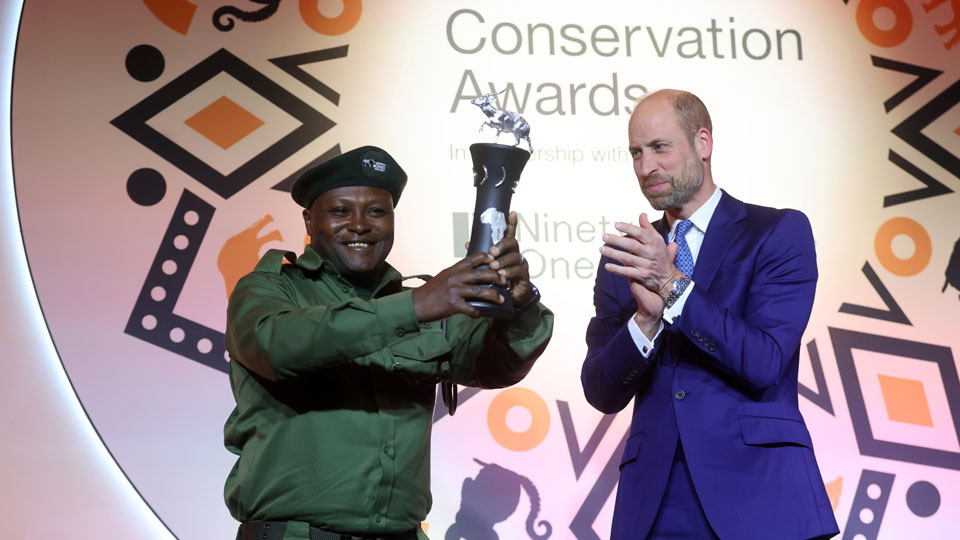
From protecting threatened species and restoring habitats to securing wildlife corridors and supporting communities living alongside wildlife, the awards celebrate individuals translating ambitious conservation goals into tangible action.
Charlie Mayhew, President and CEO of Tusk, describes successful conservation as something driven by those who understand their landscapes, communities and wildlife best — people capable of finding practical solutions to some of the natural world’s greatest challenges.
It is a philosophy that places human leadership at the centre of environmental change.
Three Awards. Three Forms of Leadership.
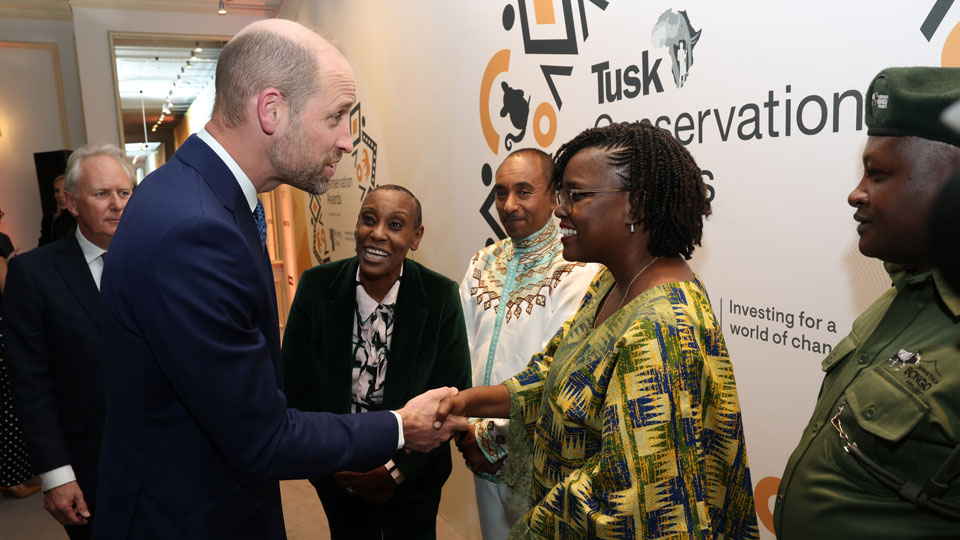
The 2026 ceremony will recognise conservation leadership through three distinct awards.
The Prince William Award for Conservation in Africa, sponsored by Ninety One, honours a lifetime of exceptional dedication and contribution to conservation across the continent.
The Tusk Award for Conservation in Africa, sponsored by Defender, recognises an emerging conservation leader whose work has demonstrated outstanding success.
And the Tusk Wildlife Ranger Award, sponsored by the Nick Maughan Family Foundation, turns attention towards those working directly in the field — individuals whose commitment places them on the frontline of protecting Africa’s wildlife.
Together, the three awards reveal something important about modern conservation.
There is no single way to create impact.
Leadership may emerge through decades of strategic work, through new ideas capable of transforming a landscape, or through the daily courage of those physically protecting wildlife on the ground.
A Long-Delayed Celebration

This year will also carry a particularly meaningful moment.
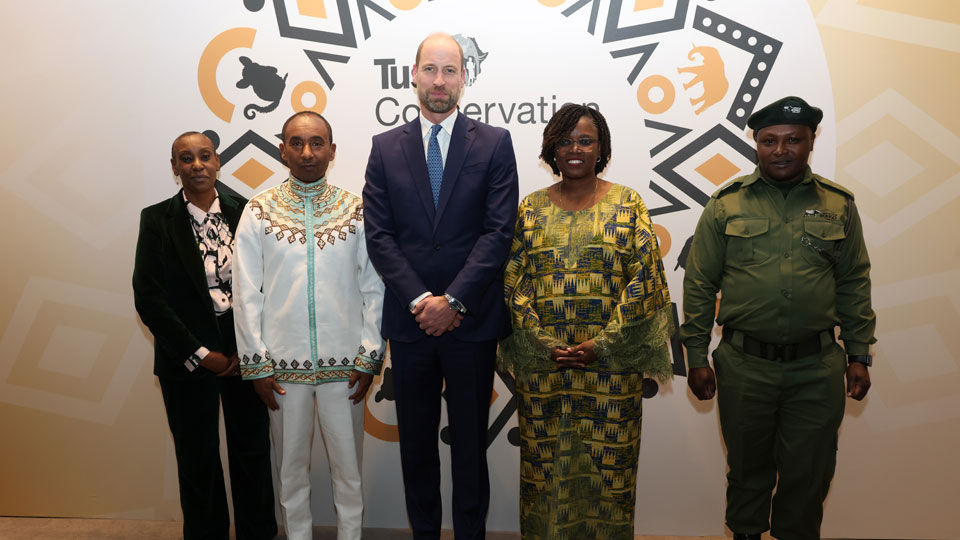
Two recipients from the 2020 Tusk Conservation Awards — Amos Gwema, recipient of the Wildlife Ranger Award, and John Kamanga, recipient of the Tusk Award — will finally be welcomed to the ceremony in person.
Both were unable to attend their original awards ceremony because of the coronavirus pandemic.
Six years later, their return provides an opportunity not simply to revisit an award, but to recognise the enduring nature of conservation work itself.
The landscapes these individuals protect do not operate according to annual cycles or awards calendars.
Their work continues.
And so does its impact.
A New London Setting
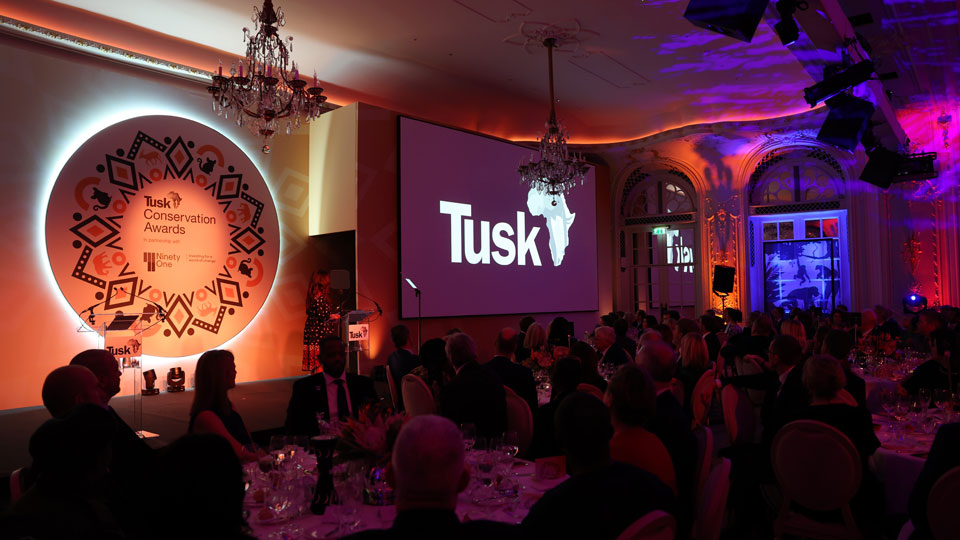
For the first time, the Tusk Conservation Awards will take place at Raffles London at The OWO, bringing the ceremony to one of the capital’s most distinctive new hospitality landmarks.
Animal biologist and natural history broadcaster Liz Bonnin will once again host the evening.
But beyond the setting, ceremony and recognition lies a much larger story.
Tusk has worked in African conservation for more than three decades. Founded in 1990, the organisation today invests around £15 million annually into locally led conservation organisations across Africa and has raised and deployed more than £150 million since its inception.
That locally led approach is central to the organisation’s philosophy.
Rather than treating conservation as something imposed upon landscapes from elsewhere, it recognises that those living and working within them are often best positioned to determine their future.
Why Recognition Matters
Conservation victories rarely happen overnight.
A restored ecosystem may take decades to recover. Wildlife populations require years of monitoring and protection. Relationships between conservation organisations and communities are built slowly.
The people responsible for these successes often work far from international attention.
That is perhaps where the Tusk Conservation Awards matter most.
They bring those stories into view.
Not simply to celebrate achievement, but to remind a wider audience that the future of some of the planet’s most extraordinary landscapes depends upon individuals willing to dedicate significant parts of their lives to protecting them.
As Hendrik du Toit, Founder and Chief Executive of Ninety One, notes, Africa’s natural heritage is not only fundamental to biodiversity and landscapes, but also to the people, communities and economies connected to them.
Conservation, in this sense, is not separate from human development.
The two futures are increasingly inseparable.
Protecting What Comes Next
Perhaps the most powerful idea behind the Tusk Conservation Awards is that conservation is ultimately an act of optimism.
To protect an ecosystem is to believe it has a future.
To safeguard wildlife is to believe future generations should encounter a world in which those species still exist.
And to invest in conservation leaders is to recognise that meaningful environmental change begins with people prepared to turn that belief into action.
When the Tusk Conservation Awards return to London this November, the trophies will recognise individual achievement.
But the larger story will be about something shared:
the possibility of a future in which Africa’s extraordinary wildlife, landscapes and communities continue to thrive together.
Tusk Conservation Awards 2026
11 November 2026
Raffles London at The OWO
London, United Kingdom