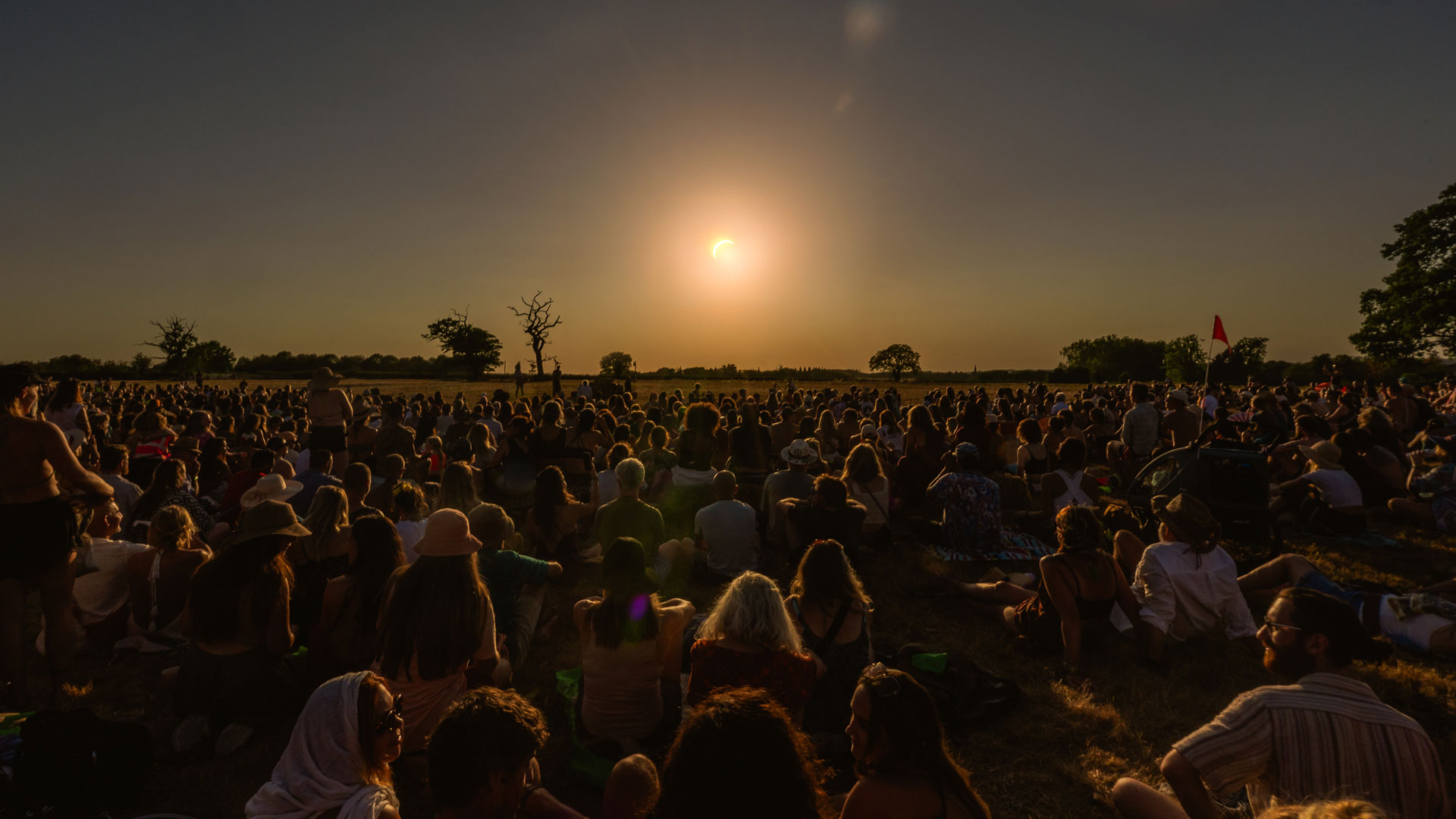
There are music festivals, wellness festivals, arts festivals and gatherings that promise to transport you somewhere beyond ordinary life for a few days. Then there is Medicine Festival, which seems to have taken a little bit of all of those things, thrown them into a Berkshire woodland and allowed them to grow into something that feels more like a temporary village than a conventional festival.
For six days in August 2026, England’s Wasing Estate became home to a remarkably eclectic community of musicians, dancers, artists, healers, cooks, makers, therapists, craftspeople, families, dreamers and curious wanderers, all moving between stages, woodland clearings, workshops, fires, food stalls, market spaces, healing tents and ceremony areas.
Medicine Festival is difficult to describe without making it sound rather earnest, because beneath the incense, cacao, drumming and barefoot dancing there is a genuinely playful festival atmosphere. People come to eat, drink, dance, buy beautiful things, hear extraordinary music, swim in the lake, meet friends, discover new practices and spend far too long deciding which workshop they should go to next.
The result is a gathering where the serious and the joyful sit remarkably comfortably beside one another.
Food as part of the festival
Food is taken particularly seriously at Medicine, and not simply because festival-goers need feeding.
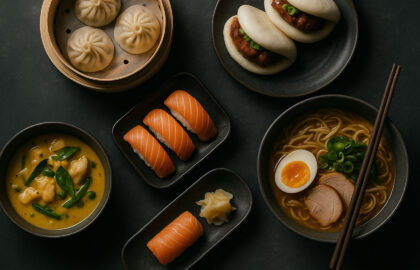
The festival’s food philosophy is built around the idea that food itself can be medicine, with its in-house offering centred on organic, local and sustainably produced ingredients, fermentation, sprouting, herbalism and plant-based cooking. The festival’s own food and drink programme included the Medicine Café, Cosmic Crust pizza, Ka’Kau cacao bars and the Karmaceuticals Bar, alongside other food traders and market stalls.
The Medicine Café became one of those places where you could arrive intending to grab something quickly and somehow find yourself lingering considerably longer than planned. Led by nutritionist and herbalist Alev, the café focused on gut-friendly, nourishing food, with ferments, sprouted grains, prebiotic and probiotic ingredients, herbal infusions, tonics and elixirs forming part of the menu.
Then there was Cosmic Crust, bringing proper Italian-style pizza to the festival, with organic ingredients and produce grown and foraged by its founder Andrea. There is something wonderfully appropriate about eating a wood-fired pizza in the middle of a festival devoted to reconnecting people with the natural world, particularly when some of the ingredients have come directly from the surrounding landscape.
For something warmer and more ceremonial, the Ka’Kau Bars served organic cacao alongside seasonal ingredients and locally inspired drinks, while the Karmaceuticals Bar offered an entirely alcohol-free approach to festival drinking, with botanical elixirs created by medical herbalist Karma. The idea was not simply to provide an alternative to alcohol, but to make the alternative itself interesting, sociable and delicious.
Medicine Festival is, after all, an alcohol-free gathering, so the traditional festival pint is replaced by a rather more imaginative world of cacao, herbal drinks, chai, tonics, matcha, elixirs and other botanical concoctions.
A marketplace of beautiful things
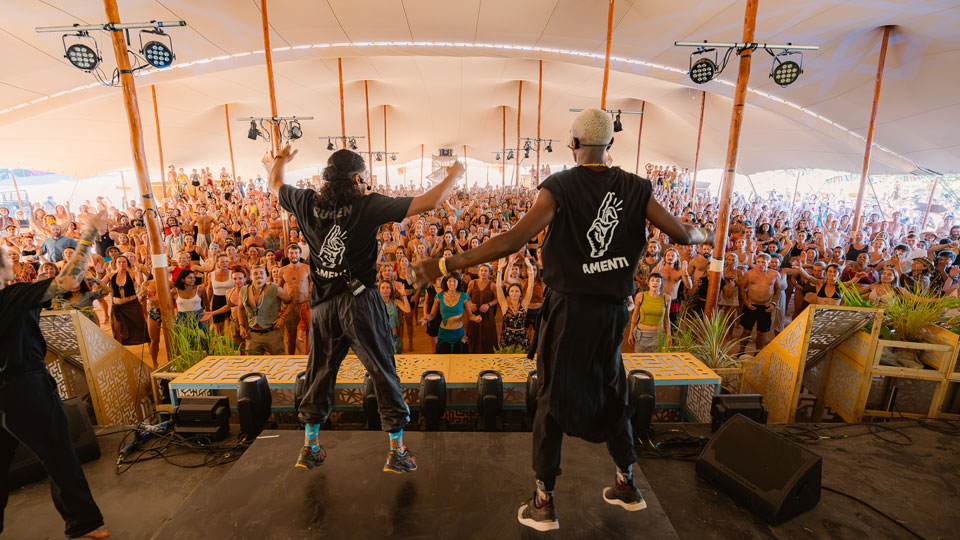
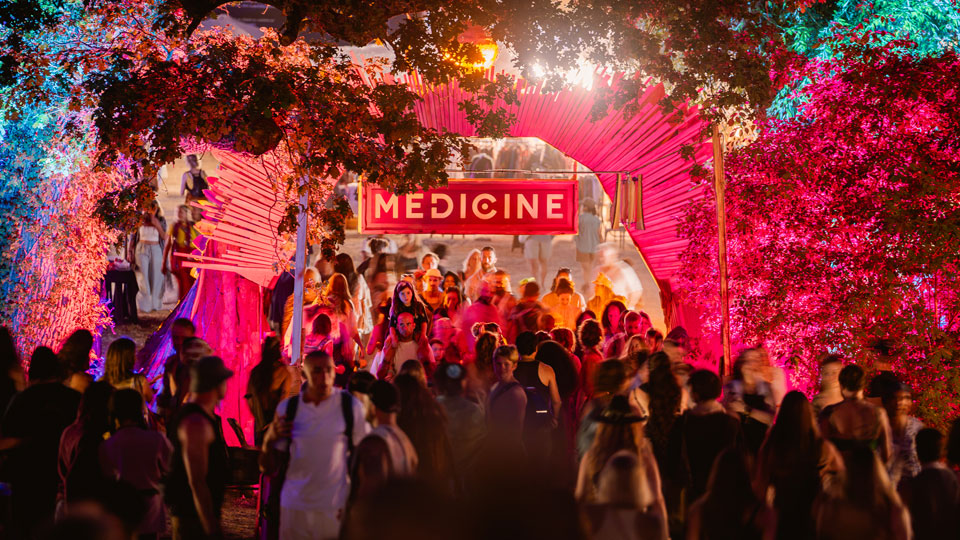
Away from the stages, the Medicine Festival becomes a kind of open-air bazaar, with makers and traders creating a colourful world of objects, clothing, jewellery, artwork, natural products and handcrafted treasures.
There is something particularly fitting about buying something there that has clearly been made by a person rather than produced anonymously by a supply chain. The festival encourages fly-pitching and small-scale trading, recognising the personality and value that independent makers bring to the gathering.
The result is less like wandering around a conventional festival merchandise village and more like discovering a series of little worlds. One stall might be filled with handmade jewellery, another with textiles or clothing, another with natural body products, while elsewhere artists and craftspeople demonstrate or sell work connected to the earth, ritual, mythology and the natural environment.
Some of the more unusual experiences went beyond simply buying something to take home. The House of Deer programme, for example, offered workshops in which participants could make riverstone rattles with Dartmoor stag antler and wild-gathered furs, or create deerskin drums using hand-steamed ash frames, antler handles and beaters.
It is this combination of buying, making and learning that gives the market its character. You are not simply consuming the festival; you are constantly being invited to participate in it.
Artists everywhere you look
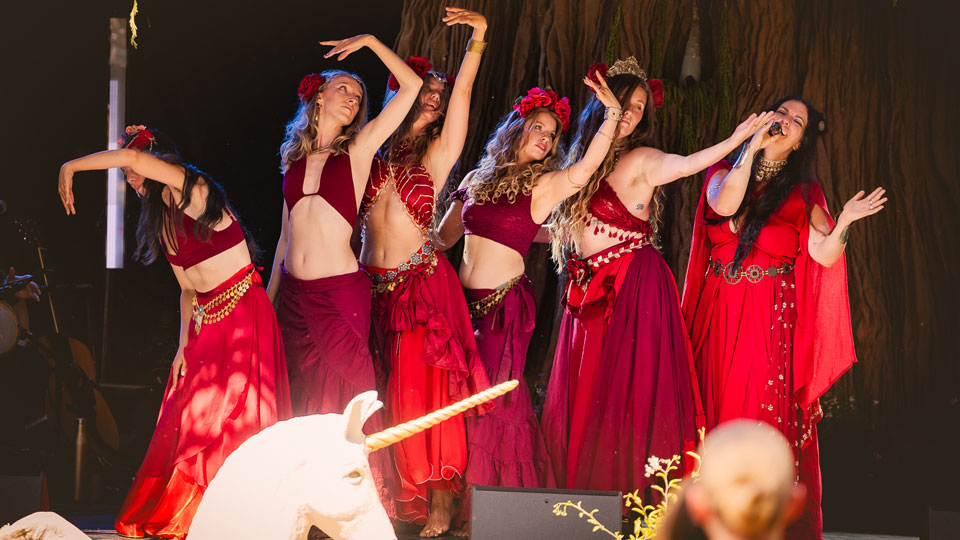
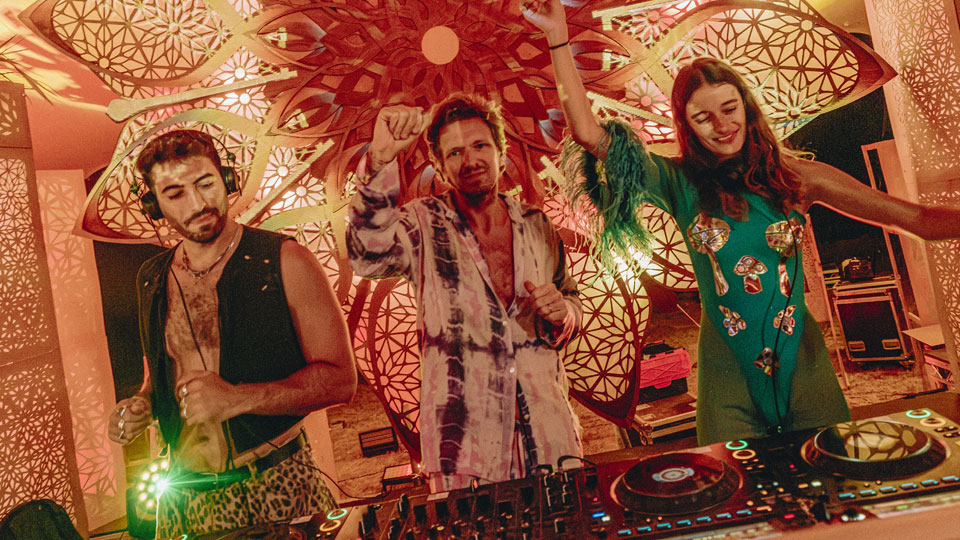
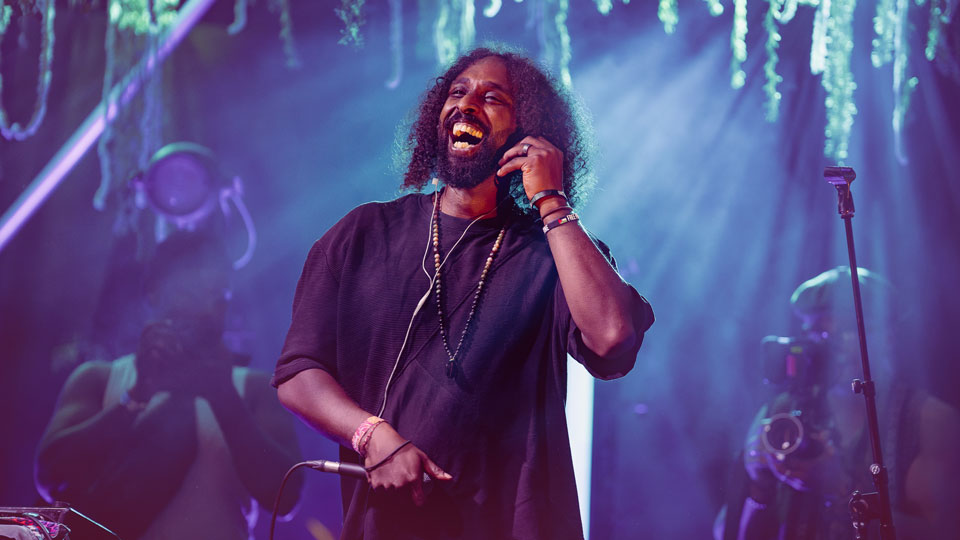
The Medicine Festival has an unusually broad understanding of what constitutes an artist.
Of course, there are musicians and singers, but the programme also encompasses dancers, visual artists, performers, storytellers, craftspeople, sound practitioners and people whose creative work is inseparable from ceremony and cultural tradition.
The scale of that creative community is considerable. Its own transparency information records hundreds of artists, performers and facilitators contributing to its previous editions, alongside a large network of paid crew and volunteers.
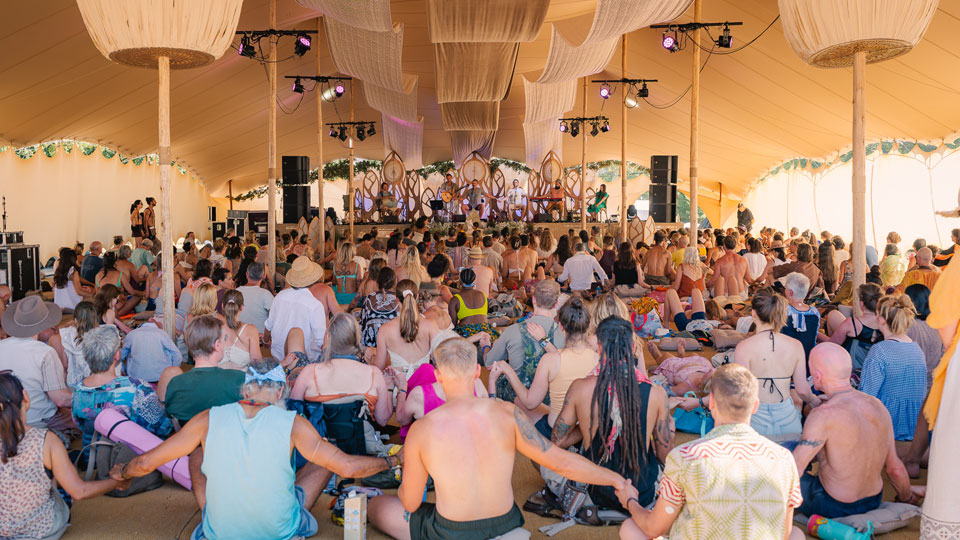
The music moves through the site rather than simply sitting on one main stage. There are voices and drums, folk musicians and electronic artists, ceremonial songs and dance, intimate acoustic performances and larger gatherings where the audience gradually becomes part of the performance.
Artists such as Ayla Schafer bring a particularly strong connection between music, nature and spirituality, while artists including Peia contribute a more ethereal, world-folk sound that fits naturally into the atmosphere of the gathering.
Elsewhere, the programme invited people to participate directly in music rather than merely watch it. The Zawose Queens, for instance, led a workshop exploring traditional Wagogo whistling, using voice and rhythm as a playful form of communal expression.
That distinction matters because Medicine is not really built around the idea of a passive audience. Dancing, singing, drumming and making are all ways of joining the gathering rather than simply consuming it.
Healing becomes part of the landscape
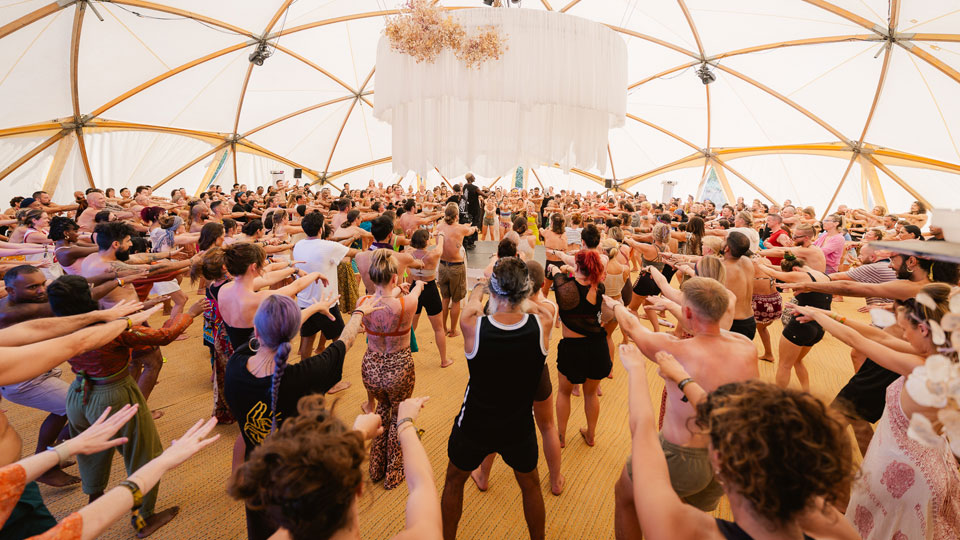
Then there is the part of the Medicine Festival that gives the festival its name.
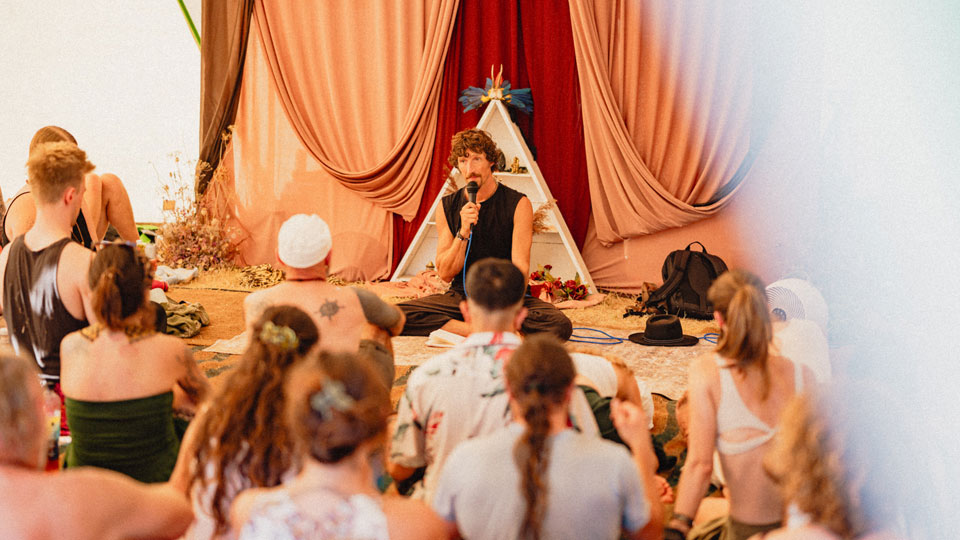
Across the site, practitioners offered an extraordinary range of experiences and services, from bodywork and herbalism to sound, movement, breathwork, meditation, traditional healing practices, sweat lodges and one-to-one sessions.
Some were firmly rooted in contemporary therapeutic practices, while others came from long-standing cultural traditions.
There were sweat lodges offering different ceremonial approaches, including Temazcal and Inipi, with practitioners such as Jeremy Gordon, Mao Tatanka and Kusiy Volt leading sessions across the festival.
Visitors could also book more unusual experiences, including Kogi divination with Mamo Senchina, tea ceremonies, herbal and botanical experiences, traditional healing and one-to-one sessions with Aboriginal Ngangkari healers from Australia’s Central Desert.
The Ngangkari sessions were particularly distinctive because the women offering them are Senior Aboriginal Traditional Law Women, healers, artists and cultural custodians whose knowledge has been passed through generations. They offered one-to-one healing alongside conversations, art and bush medicines, with proceeds supporting the women, their families and community-led cultural programmes.
Importantly, the Medicine Festival makes a distinction between cultural experiences and entertainment. Some of the festival’s offerings are explicitly framed as opportunities for respectful cultural exchange rather than performances or spectacles, which changes the way the visitor approaches them.
Dancing until you forget what time it is
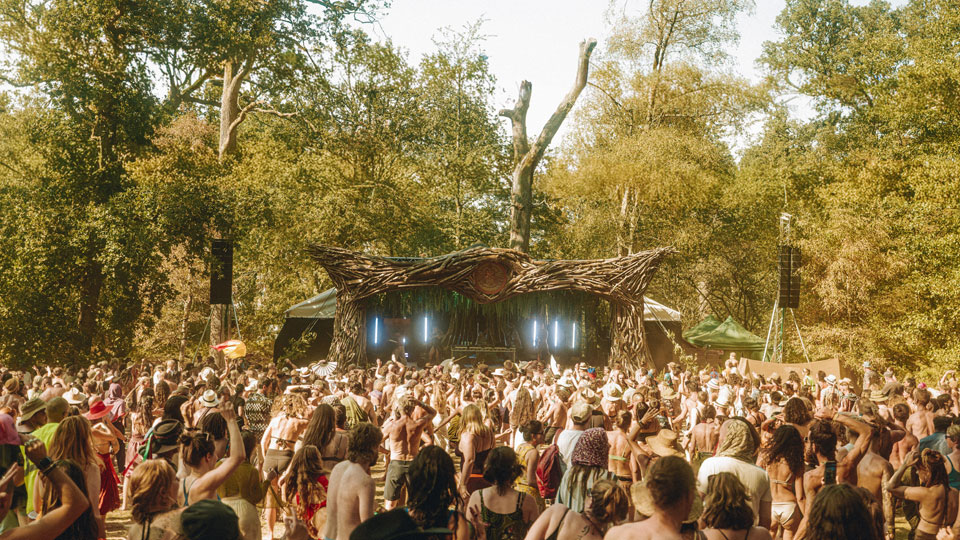
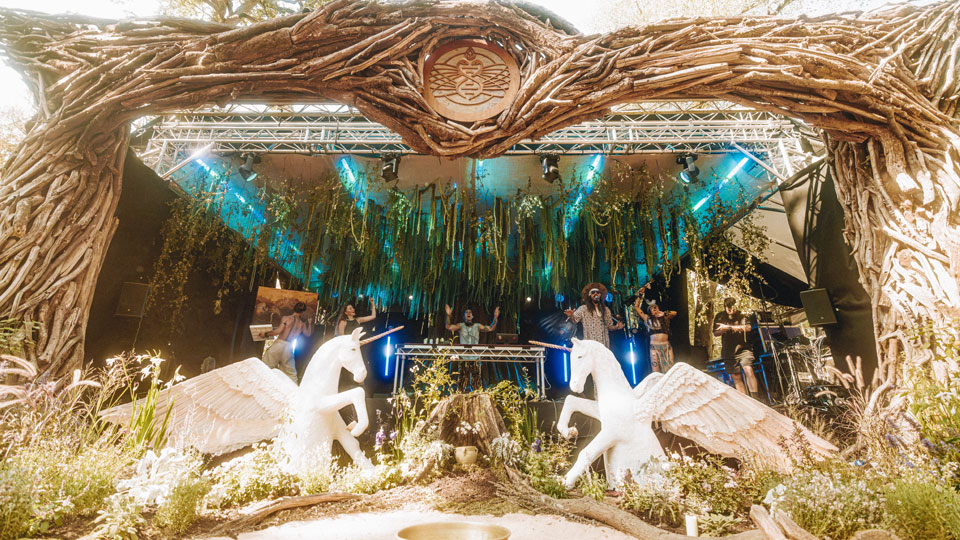
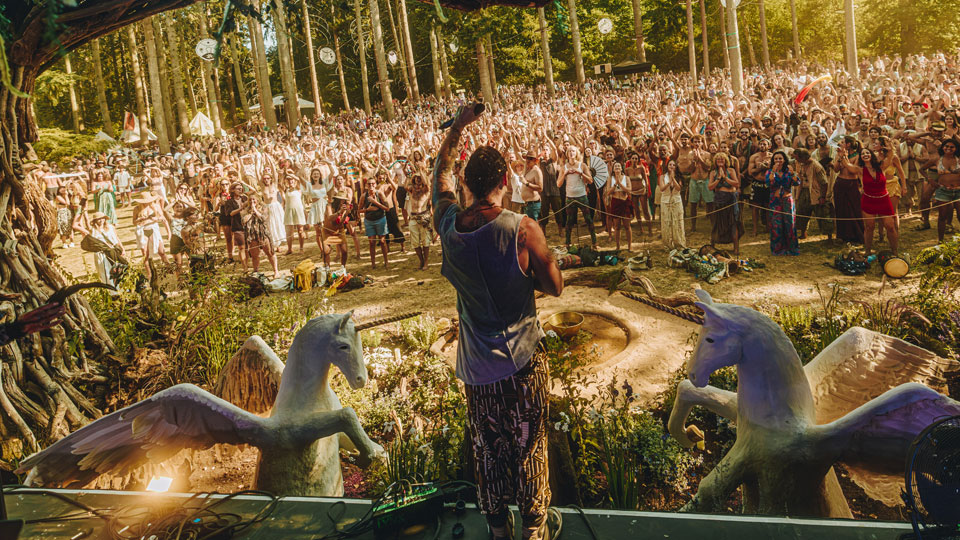
For all the talk of ceremony, healing and conscious living, it would be a mistake to imagine the Medicine Festival as six days of solemn contemplation.
People dance.
A lot.
The movement spaces, musical performances and late-night gatherings provide a completely different energy to the quieter healing and workshop areas. You can spend the morning doing yoga, the afternoon learning about herbalism, the early evening eating pizza and drinking cacao, and then find yourself dancing several hours later with people you met ten minutes earlier.
This is one of Medicine Festival’s great contradictions, and one of its charms. It is a festival that can take ritual seriously without taking itself too seriously.
The same person might spend an afternoon discussing ecology and ancestral knowledge before throwing themselves enthusiastically into a dance floor, while somebody else might arrive for the music and unexpectedly find themselves attending a workshop, trying a new form of bodywork or sitting beside a ceremonial fire.
A village with a unique spirit
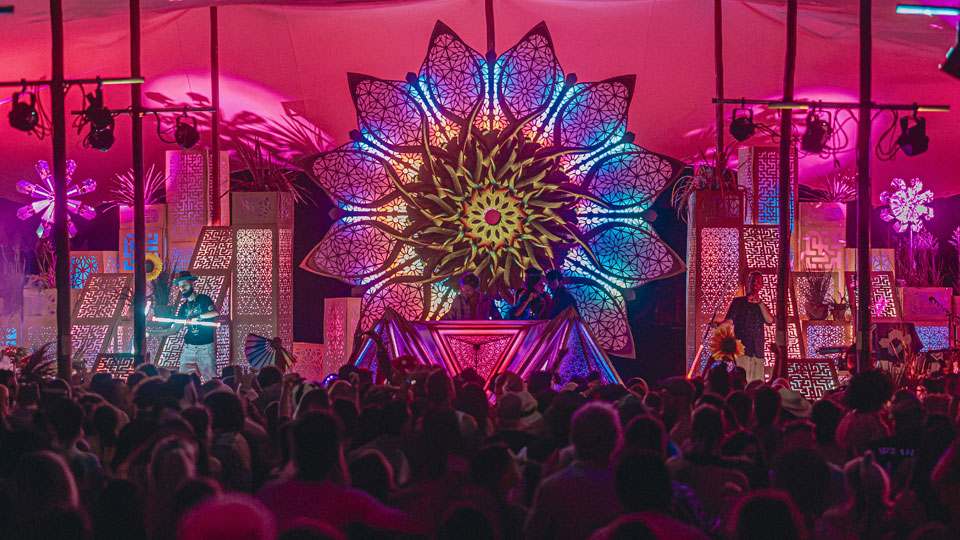
Perhaps the easiest way to understand the Medicine Festival is to stop thinking about it as a collection of stages.
It feels more like a village.
There are places to eat and drink, places to sleep, places to dance, places to learn, places to buy things, places to make things and places to sit quietly. There are fires tended by dedicated Firekeepers, woodland paths, a swimming lake, family spaces, ceremony areas and countless small corners where conversations seem to appear without anyone having planned them.
The festival itself describes its purpose in terms of connection, creativity, cultural exchange and ecological renewal, and its status as a Community Interest Company means that its wider ambitions extend beyond simply putting on an annual event. Profits are intended to support projects and communities working to preserve sacred traditions, support Indigenous peoples and protect and regenerate the biosphere.
That larger intention is visible throughout the gathering, but it never completely overwhelms the pleasure of simply being there.
It is good food eaten with friends, a beautifully made object discovered when you were supposed to be somewhere else, a singer whose voice stops you in your tracks, an unexpected conversation beside a fire, cacao shared after a long dance, muddy feet, tired legs, a swim in the lake and the peculiar joy of waking up in a field knowing that you have another entire day to explore.
What makes Medicine Festival unusual is that all of those ordinary festival pleasures are placed alongside something much larger: a meeting of artists, healers, cultures, traditions and communities who are collectively asking what it might mean to live with greater connection to one another and to the world around us.
It is a festival, certainly, but it is also a temporary experiment in another way of living, where food can be nourishment, music can be gathering, art can be participation, healing can be shared and a marketplace can become a meeting place.
For a few days in the Berkshire countryside, all of those things happen at once, and somehow the whole strange, colourful, beautiful mixture works.
The gathering is bi-annual, therefore Save the date for Medicine Festival 2028, August 17th – 21st!